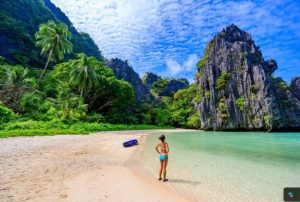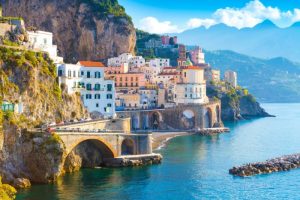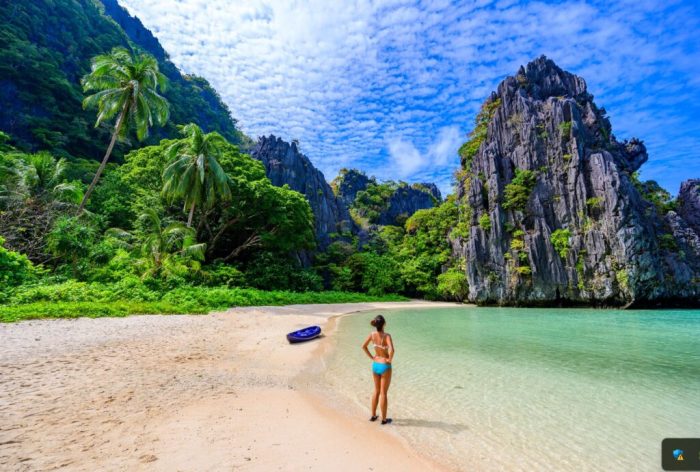
Off-the-beaten-path travel destinations beckon adventurers seeking experiences beyond the typical tourist trail. This exploration delves into the unique allure of these lesser-known locales, highlighting their cultural richness, breathtaking landscapes, and the thrill of discovery. We will examine diverse travel methods, from budget-friendly flights and scenic train journeys to immersive road trips and unique accommodations, ensuring a comprehensive guide for planning your next unforgettable adventure.
Defining “Off-the-Beaten-Path”
Off-the-beaten-path travel, in its simplest form, refers to exploring destinations that haven’t been overrun by mass tourism. It’s about seeking out unique experiences and immersing oneself in cultures and environments largely untouched by the commercialization of travel. This contrasts sharply with mainstream tourist spots, which often feature highly developed infrastructure, standardized experiences, and a large influx of visitors.The defining characteristics of off-the-beaten-path destinations are multifaceted.
These locations typically exhibit less developed tourist infrastructure, offering a more authentic and raw experience. Accessibility is often limited, requiring more planning and perhaps a willingness to embrace less comfortable travel arrangements. The cultural immersion is generally deeper, as the local populations haven’t been as significantly impacted by the homogenizing effects of global tourism. Furthermore, the environmental impact is usually lower due to reduced tourist numbers and often a greater focus on sustainable practices.
Characteristics of Off-the-Beaten-Path Destinations
Off-the-beaten-path destinations are characterized by a combination of factors that distinguish them from their mainstream counterparts. These include limited accessibility, often requiring more adventurous travel methods like hiking or using local transportation; a strong sense of cultural authenticity, where traditions and lifestyles remain largely unchanged by tourism; a relatively untouched natural environment, preserving biodiversity and offering unique landscapes; and a lower cost of travel and accommodation, due to less competition and fewer developed services.
Examples include remote villages in Nepal, lesser-known islands in the Pacific, or national parks with limited infrastructure.
Comparative Table: Mainstream vs. Off-the-Beaten-Path
| Feature | Mainstream Tourist Destination | Off-the-Beaten-Path Destination |
|---|---|---|
| Accessibility | Easy access via major airports, well-maintained roads, and readily available transportation. | Limited access, potentially requiring challenging journeys involving hiking, local transport, or less frequent flights. |
| Cost | Generally higher costs for accommodation, activities, and transportation. | Typically lower costs, but potentially higher costs associated with less convenient travel arrangements. |
| Cultural Immersion | Often a more superficial experience, with interactions largely tailored for tourists. | Deeper cultural immersion, with opportunities to interact with locals and experience authentic traditions. |
| Environmental Impact | Potentially higher environmental impact due to increased waste, infrastructure development, and resource consumption. | Generally lower environmental impact due to fewer visitors and a potential emphasis on sustainable practices. |
Geographic Regions for Off-the-Beaten-Path Travel
Seeking adventure beyond the typical tourist hotspots? Numerous regions across the globe offer unique and rewarding experiences for the intrepid traveler. These destinations provide a chance to immerse oneself in authentic cultures, explore stunning landscapes untouched by mass tourism, and discover hidden gems often overlooked by mainstream travel guides. This section highlights three distinct geographic areas renowned for their off-the-beaten-path appeal.Exploring lesser-known corners of the world allows for a more profound and personal travel experience.
The lack of crowds facilitates deeper engagement with local communities and environments, fostering a more meaningful connection with the destination. It also encourages a more sustainable form of tourism, minimizing the environmental impact and maximizing the benefits for local economies.
Central Asia: The Silk Road’s Enduring Charm
Central Asia, encompassing countries like Kyrgyzstan, Tajikistan, and Uzbekistan, offers a captivating blend of ancient history, breathtaking landscapes, and vibrant cultures. The region boasts stunning mountain ranges, vast deserts, and fertile valleys, all steeped in the rich legacy of the Silk Road. Activities range from trekking through the Tian Shan mountains to exploring ancient Silk Road cities, experiencing nomadic cultures, and discovering hidden oases.Here are some lesser-known destinations within Central Asia:
- Sary-Chelek Lake, Kyrgyzstan: A pristine alpine lake nestled in a remote valley, surrounded by towering mountains and offering opportunities for hiking and kayaking.
- Pamir Highway, Tajikistan: A challenging but rewarding drive through the Pamir Mountains, offering breathtaking views and encounters with remote villages.
- Khiva, Uzbekistan: A remarkably well-preserved walled city, a UNESCO World Heritage site, showcasing stunning architecture and a glimpse into a bygone era.
Southeast Asia’s Hidden Islands and Jungles
Beyond the popular beaches of Thailand and Bali, Southeast Asia holds a wealth of undiscovered islands and lush jungles ripe for exploration. This region provides opportunities for wildlife encounters, cultural immersion in unique communities, and adventures ranging from trekking through dense rainforests to exploring hidden waterfalls and diving in pristine coral reefs.These destinations exemplify the off-the-beaten-path experience in Southeast Asia:
- Laos’ Bolaven Plateau: A region of cascading waterfalls, coffee plantations, and unique ethnic minority villages offering opportunities for hiking and cultural immersion.
- The Gili Islands, Indonesia: A group of three small islands off the coast of Lombok, known for their stunning beaches, exceptional diving, and laid-back atmosphere.
- Koh Rong, Cambodia: A relatively undeveloped island offering pristine beaches, jungle trekking, and opportunities for snorkeling and diving.
South America’s Untamed Wilderness
South America is renowned for its dramatic landscapes and diverse ecosystems, extending far beyond the well-trodden tourist trails. From the Amazon rainforest to the Andes mountains and the Patagonian wilderness, this region presents opportunities for exploring diverse ecosystems, engaging with indigenous communities, and experiencing unparalleled natural beauty.The following destinations showcase the untamed beauty of South America’s off-the-beaten-path:
- The Darién Gap, Panama/Colombia: A notoriously challenging and remote rainforest region, offering a unique adventure for experienced trekkers.
- Salar de Uyuni, Bolivia: The world’s largest salt flat, offering a surreal and otherworldly landscape perfect for photography and exploration.
- Torres del Paine National Park, Chile: A stunning national park in Patagonia, featuring towering granite peaks, glaciers, and diverse wildlife.
Unique Travel Experiences in Off-the-Beaten-Path Locations
Off-the-beaten-path travel offers a unique opportunity to connect with authentic cultures and engage in thrilling adventures unavailable in more tourist-saturated areas. These destinations provide a deeper understanding of local life, traditions, and environments, fostering a more enriching and memorable travel experience. The sense of discovery and immersion is unparalleled, creating lasting impressions far beyond typical vacation memories.Unique Cultural Experiences in Off-the-Beaten-Path DestinationsMany off-the-beaten-path locations offer a glimpse into unique cultural practices and traditions largely untouched by mass tourism.
These experiences can range from participating in local festivals and ceremonies to learning traditional crafts and interacting directly with indigenous communities. The authenticity of these encounters allows for a more genuine understanding of the local way of life, fostering cultural exchange and respect. For example, participating in a traditional tea ceremony in a remote village in Japan offers a different perspective than a visit to a tourist-oriented tea room in Kyoto.
Similarly, witnessing a vibrant tribal dance in the Amazon rainforest provides a far richer cultural experience than viewing a staged performance in a city.Adventure Activities in Off-the-Beaten-Path LocationsOff-the-beaten-path destinations are often havens for adventure activities. These locations typically boast pristine natural landscapes ideal for activities such as hiking, trekking, kayaking, rock climbing, and wildlife viewing. The remote nature of these destinations often necessitates a higher level of self-sufficiency and problem-solving skills, adding to the thrill and sense of accomplishment.
For instance, trekking through the Himalayas requires careful planning and physical endurance, while kayaking through remote fjords presents unique challenges related to navigation and weather conditions.Comparison of Off-the-Beaten-Path Travel Experiences
| Experience Type | Pros | Cons | Example Location |
|---|---|---|---|
| Hiking/Trekking | Physical challenge, stunning views, connection with nature, sense of accomplishment. | Requires physical fitness, potential for weather-related delays or difficulties, remoteness can limit access to support. | Torres del Paine National Park, Chile |
| Wildlife Viewing | Opportunity to observe rare and endangered species in their natural habitat, unique photographic opportunities, contribution to conservation efforts (ecotourism). | Requires patience and observation skills, potential for unpredictable animal behavior, accessibility can be limited. | Okavango Delta, Botswana |
| Cultural Immersion | Authentic cultural exchange, deeper understanding of local traditions and customs, opportunity to learn new skills and perspectives. | Requires cultural sensitivity and respect, language barriers can be challenging, potential for misunderstandings due to cultural differences. | Rural villages in the Himalayas, Nepal |
Flight Deals and Hacks
Securing affordable flights is crucial for making off-the-beaten-path travel a reality. Many fantastic, lesser-known destinations are accessible only with careful planning and a strategic approach to airfare. This section provides practical tips and strategies to help you find the best flight deals.Finding affordable flights to remote locations often requires flexibility and a willingness to explore different options. The following strategies can significantly reduce your travel costs.
Five Practical Tips for Finding Affordable Flights
Several methods exist for securing economical airfare to less-traveled destinations. These tips focus on optimizing your search and timing to maximize your chances of finding a great deal.
- Be flexible with your travel dates: Mid-week flights (Tuesday and Wednesday) and flights during the off-season are generally cheaper. Avoiding peak travel times, such as holidays and school breaks, can significantly impact the price.
- Consider nearby airports: Flying from a smaller, less-busy airport, even if it requires additional ground transportation, can often result in lower fares compared to major international hubs.
- Book in advance, but watch for price drops: While booking early often secures better prices, monitoring flight prices using price-tracking tools allows you to capitalize on any unexpected drops closer to your travel dates.
- Utilize flight search aggregators effectively: Employing multiple flight comparison websites, rather than relying on just one, helps ensure you are comparing the broadest range of options and potential savings.
- Consider connecting flights: Direct flights are convenient but often more expensive. Exploring options with one or more layovers can drastically reduce the overall cost, especially for longer distances.
Strategies for Using Flight Comparison Websites Effectively
Effectively utilizing flight comparison websites requires understanding their functionalities and employing strategic search techniques. The key is to be thorough and methodical in your approach.Using multiple comparison websites simultaneously is highly recommended. Each website may have different deals and access to various airlines, ensuring you don’t miss a potential saving. Pay attention to the fine print, including baggage fees and other hidden costs, which can significantly impact the total price.
Experiment with different date ranges and airports to identify the best combinations. Also, utilize the advanced search filters offered by most websites to refine your search based on specific criteria such as airline preferences or number of stops.
Advantages and Disadvantages of Using Budget Airlines for Off-the-Beaten-Path Travel
Budget airlines, also known as low-cost carriers, offer significantly cheaper fares compared to traditional airlines. However, they often come with limitations.
- Advantages: Lower fares, often the most significant advantage; increased access to remote destinations that might not be served by major airlines.
- Disadvantages: Often smaller baggage allowances (extra charges apply for checked bags); limited in-flight services (food and beverages usually require an additional cost); potential for flight delays and cancellations due to less robust operational infrastructure.
Using budget airlines can be a great way to save money, especially for budget travelers. However, careful consideration of the limitations is crucial to ensure a smooth and stress-free journey. Weighing the potential cost savings against the possible inconveniences is key to making an informed decision.
Train Travel Guides
Embarking on a train journey to an off-the-beaten-path destination offers a unique blend of adventure and relaxation. Unlike the hurried pace of air travel, train journeys allow for a slower, more immersive experience, connecting you with the landscapes and cultures of the regions you traverse. This guide will equip you with the knowledge to plan a memorable and efficient train adventure.Planning a Train Journey to a Remote Destination involves careful consideration of several factors to ensure a smooth and enjoyable trip.
Effective planning minimizes potential disruptions and maximizes the enjoyment of the journey itself.
Booking Tickets and Choosing Routes
Selecting the right train route and securing tickets in advance are crucial steps. Websites like Rail Europe, Seat61, and local railway company websites offer comprehensive route information and booking services. For popular routes or peak travel seasons, booking several weeks or even months in advance is highly recommended. When choosing a route, consider the scenic value, travel time, and the frequency of services.
Some routes may offer breathtaking views of mountains, coastlines, or rural landscapes, while others may be more direct but less visually stimulating. Compare various routes to find the best balance between travel time and scenic appeal, taking into account potential layovers or changes.
Advantages of Train Travel over Air Travel for Reaching Remote Areas
While air travel might seem faster, train journeys to remote areas often offer significant advantages. Firstly, train stations are typically located closer to town centers than airports, eliminating the need for expensive and time-consuming transfers. Secondly, train travel provides unparalleled opportunities for scenic viewing, allowing passengers to absorb the beauty of the countryside at a leisurely pace. Finally, train travel is often more environmentally friendly than air travel, reducing your carbon footprint.
For example, traveling by train across Switzerland offers stunning views of the Alps, inaccessible by air, and eliminates the airport transfer time associated with flying to smaller towns in the region.
Scenic Routes and Unique Experiences
Many off-the-beaten-path destinations are best accessed and experienced by train. The Trans-Siberian Railway, for instance, offers an epic journey across Russia, Mongolia, and China, providing glimpses into diverse cultures and landscapes. The scenic routes through the Canadian Rockies on VIA Rail offer breathtaking mountain views, and opportunities for stops in charming mountain towns. In Southeast Asia, numerous railway lines traverse lush jungles and rice paddies, offering opportunities to witness local life unfold from the train window.
The journey itself becomes an integral part of the travel experience, offering opportunities for spontaneous exploration and interaction with fellow travelers.
Road Trip Guides
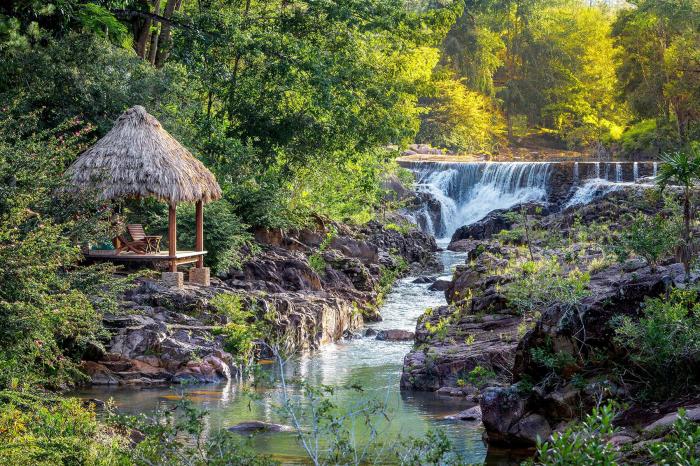
Embarking on a road trip to an off-the-beaten-path destination offers unparalleled freedom and the chance to discover hidden gems. Careful planning, however, is crucial to ensure a safe and enjoyable journey, especially when venturing into remote areas. This section provides practical guidance for planning and executing a successful off-the-beaten-path road trip.
Sample Road Trip Itinerary: Exploring the Transfăgărășan Highway, Romania
This itinerary focuses on the Transfăgărășan Highway, a spectacular mountain road in Romania, known for its breathtaking scenery and challenging driving conditions. It’s a perfect example of an off-the-beaten-path road trip that rewards adventurers with stunning views and unique cultural experiences.The journey could begin in Sibiu, a charming medieval city. From Sibiu, the route follows the Transfăgărășan Highway, winding through the Carpathian Mountains.
Key points of interest include: Poenari Citadel (a medieval fortress with stunning views), Balea Lake (a glacial lake accessible by cable car), and Vidraru Dam (an impressive hydroelectric dam). The trip concludes in Curtea de Argeș, home to a beautiful monastery. The entire journey can be completed in 2-3 days, allowing ample time to explore each location. Consider overnight stays in mountain villages along the route for an authentic experience.
Practical Tips for Planning a Safe and Enjoyable Road Trip to a Remote Location
Thorough preparation is paramount for any remote road trip. This includes meticulous route planning, accounting for potential road closures or challenging terrain. Confirming the availability of fuel and accommodation along the route is also vital. Sharing your itinerary with a trusted contact and regularly checking in is a crucial safety measure. Packing appropriate clothing for varied weather conditions and carrying a well-stocked first-aid kit are equally important.
Finally, ensure you have adequate travel insurance covering remote areas.
Vehicle Maintenance and Preparedness for Off-Road Driving
Before embarking on a journey to remote locations, a thorough vehicle inspection is crucial. This involves checking tire pressure, tread depth, and overall condition. Ensuring sufficient fluids (engine oil, coolant, brake fluid) are at the correct levels is essential. A spare tire, jack, and basic tools should be included in your vehicle’s equipment. For off-road driving, consider equipping your vehicle with additional safety features such as recovery points, a winch (if appropriate for the vehicle and planned routes), and a high-lift jack.
Knowing basic vehicle maintenance and repair techniques is also advantageous. For instance, understanding how to change a tire or jump-start a battery can be invaluable in remote areas. Remember, driving conditions can change rapidly in remote areas. Be prepared for unexpected challenges, such as rough terrain, unpaved roads, and potential weather changes.
Budget Accommodation Tips
Securing comfortable and affordable lodging is crucial for enjoying off-the-beaten-path travel, especially when aiming to maximize your budget for experiences rather than accommodation. Smart choices in this area can significantly impact the overall cost of your adventure. This section provides practical strategies for finding budget-friendly accommodation while maintaining a comfortable stay.Finding affordable accommodation in less-traveled areas often requires a more proactive approach than simply booking a hotel online.
However, the rewards—unique experiences and significant cost savings—are well worth the effort.
Types of Budget-Friendly Accommodations
Budget travelers have several options beyond the standard hotel. Each offers a different level of privacy, amenities, and social interaction. Hostels, guesthouses, and homestays represent popular choices, each with its own distinct advantages and disadvantages. Hostels, known for their dorm-style rooms and shared facilities, are ideal for solo travelers or those seeking a social atmosphere and the lowest price point.
Guesthouses, often family-run, offer a more private experience with individual rooms, sometimes including breakfast. Homestays provide a truly immersive cultural experience, allowing travelers to stay with a local family and gain insights into their daily lives. The choice depends largely on personal preferences and travel style. For instance, a solo backpacker might prioritize the affordability and social aspect of a hostel, while a couple seeking more privacy might opt for a guesthouse.
A family looking for an authentic cultural immersion might choose a homestay.
Strategies for Negotiating Prices and Finding Hidden Deals
Negotiating accommodation prices, especially in less touristy areas, is often possible and can lead to significant savings. Directly contacting guesthouses or homestays via email or phone (using a service like WhatsApp) can often yield better deals than online booking platforms. Booking in advance, particularly during peak season, is generally advisable, but flexibility can also work to your advantage; arriving mid-week or during the shoulder seasons (periods just before or after peak season) can often lead to lower rates.
Websites dedicated to budget travel, such as those specializing in hostels or homestays, frequently feature deals and discounts. Additionally, looking beyond the main tourist hubs in a given area can uncover significantly cheaper options with comparable comfort. For example, staying in a smaller village just outside a major city often offers dramatically lower prices.
Five Practical Tips for Finding Affordable and Comfortable Accommodation
Finding affordable and comfortable lodging requires a multifaceted approach. The following five tips can help travelers secure great value for their money:
- Utilize Booking Websites Strategically: While booking platforms offer convenience, comparing prices across multiple sites (Booking.com, Hostelworld, Airbnb, etc.) is essential to find the best deals. Consider using price comparison tools to streamline this process.
- Embrace Local Knowledge: Engage with locals – whether it’s asking for recommendations at restaurants or chatting with fellow travelers – to discover hidden gems and lesser-known accommodation options that may not be listed online.
- Consider Off-Season Travel: Traveling during the off-season significantly reduces accommodation costs. While weather might be a factor, the savings can be substantial, allowing for longer stays or more activities.
- Look Beyond Hotels: Explore alternative accommodation types like hostels, guesthouses, and homestays. These often offer a more authentic experience and are significantly cheaper than hotels.
- Be Flexible with Your Location: Stepping slightly outside the main tourist areas can lead to significant savings without compromising comfort. A slightly longer commute can often be offset by the substantial price difference.
Vacation Rentals and Airbnb
Vacation rentals and Airbnb offer a compelling alternative to traditional hotels, particularly for off-the-beaten-path travel. They often provide more space, local immersion, and potentially better value, but also present unique challenges compared to established hotel chains. Understanding these advantages and disadvantages is crucial for planning a successful and safe trip.Choosing a vacation rental in a remote location requires careful consideration.
While the potential for unique experiences is high, the risks associated with safety and reliability are also amplified. Therefore, a thorough vetting process is essential to mitigate potential problems.
Advantages and Disadvantages of Vacation Rentals in Remote Areas
Vacation rentals, including those listed on Airbnb, present several benefits for off-the-beaten-path travel. The increased space and amenities often found in these properties can enhance comfort and convenience, especially for longer trips or families. Furthermore, they frequently offer a more authentic local experience, allowing travelers to live like locals and interact more closely with the community. Conversely, the lack of readily available on-site support, potential for safety concerns in isolated areas, and the reliance on self-sufficiency can present challenges.
Issues with cleanliness, accurate descriptions, or unexpected maintenance needs are also more difficult to address in remote locations compared to hotels with dedicated staff.
Choosing Safe and Reliable Vacation Rentals in Remote Areas
Selecting a safe and reliable vacation rental in a remote location necessitates thorough research and due diligence. Begin by carefully reviewing online reviews from multiple sources, paying close attention to comments regarding safety, cleanliness, and communication with the host. Verify the host’s identity and contact information, and look for properties with clear and detailed descriptions, including high-quality photographs. Consider booking through reputable platforms that offer buyer protection and dispute resolution mechanisms.
Prioritize properties with positive reviews mentioning security features such as secure locks, well-lit exteriors, and neighborhood safety. Direct communication with the host before booking is also crucial to clarify any questions about the property’s amenities, location, and local safety guidelines. For ultimate peace of mind, choose a property with a readily available emergency contact number.
Examples of Unique and Memorable Vacation Rental Experiences, Off-the-beaten-path travel destinations
Imagine staying in a traditional yurt in Mongolia’s vast steppe, waking up to the sound of nomadic herders tending their livestock. This provides an immersive experience far removed from typical tourist accommodations. Or consider a restored farmhouse in the Tuscan countryside, offering stunning views and opportunities for cooking with locally sourced ingredients. This provides a taste of authentic Italian life.
Another possibility is renting a secluded cabin in the Canadian Rockies, providing access to hiking trails and breathtaking mountain scenery while providing a comfortable base for exploring the area. These examples illustrate the potential for uniquely memorable travel experiences offered by carefully chosen vacation rentals in off-the-beaten-path destinations. Each provides a level of comfort and local immersion that is difficult to replicate in traditional hotels.
Hotel Reviews and Tips
Choosing accommodation in off-the-beaten-path locations requires careful consideration. Unlike popular tourist hubs, options might be more limited, and the level of service can vary significantly. This section offers reviews of three diverse hotels and practical advice to guide your selection.
Hotel Reviews: Three Diverse Examples
This section provides detailed reviews of three hotels located in unique, less-traveled destinations, highlighting their individual strengths and weaknesses.
The Mountain View Lodge, Dolomites, Italy: Nestled in a small village high in the Italian Dolomites, the Mountain View Lodge offers stunning views of the surrounding peaks. The rooms are rustic-chic, featuring exposed wood beams and locally sourced furnishings. While Wi-Fi is limited, the lodge makes up for it with exceptional hospitality, hearty traditional meals prepared with locally sourced ingredients, and opportunities for guided hikes and other outdoor activities.
The overall atmosphere is cozy and intimate, perfect for those seeking a tranquil escape. However, travelers expecting modern amenities like a large swimming pool or spa might be disappointed. The price point is mid-range, reflecting the quality of the accommodation and the inclusive activities.
The Desert Oasis Inn, Wadi Rum, Jordan: Situated amidst the breathtaking landscape of Wadi Rum desert, this inn provides a truly immersive experience. The accommodations are simple but comfortable, featuring traditional Bedouin-style tents with comfortable beds and private bathrooms. The highlight is undoubtedly the location; stargazing is unparalleled, and the staff organizes camel treks, jeep tours, and cultural experiences. The food is authentic Jordanian cuisine, cooked over open fires.
While electricity might be limited, the lack of modern conveniences is compensated by the unique and authentic experience. This inn is a budget-friendly option, ideal for adventurous travelers seeking an unforgettable desert adventure.
The Coastal Cabana, Isla Holbox, Mexico: Located on the tranquil island of Isla Holbox, off the coast of the Yucatan Peninsula, this beachfront hotel offers a relaxed and luxurious experience. The rooms are spacious and elegantly decorated, with private balconies overlooking the turquoise waters. The hotel boasts a beautiful pool, a spa, and a restaurant serving fresh seafood. While more expensive than the other two hotels mentioned, the high level of service and the idyllic setting justify the cost.
The hotel also organizes excursions to nearby islands and cenotes. This hotel is perfect for travelers seeking a comfortable and luxurious escape, with a range of activities readily available.
Tips for Choosing a Hotel in a Remote Location
Choosing the right hotel in a remote location requires prioritizing specific factors.
Consider the following: Accessibility (distance from airports/transport hubs), amenities (Wi-Fi, electricity reliability, hot water), safety (reviews mentioning security measures), and activities (opportunities for excursions/experiences offered by the hotel). Reading multiple reviews from different sources is crucial to obtain a balanced perspective. Confirming booking policies (cancellation fees, payment methods) is also vital, especially for off-the-beaten-path destinations where communication might be challenging.
Comparing Amenities and Services
Hotels in off-the-beaten-path destinations vary greatly in the amenities and services they offer.
For example, a hotel in a remote mountain region might focus on providing cozy rooms, hearty meals, and opportunities for hiking and outdoor activities, while a hotel in a desert setting might emphasize cultural experiences, camel rides, and stargazing. A coastal hotel, on the other hand, would likely prioritize beachfront access, water sports, and fresh seafood dining. The availability of internet access, reliable electricity, and modern conveniences such as air conditioning will also differ considerably.
It’s important to align your expectations with the type of experience offered by the hotel and its location.
Ultimately, venturing off the beaten path offers a rewarding escape from the ordinary. By embracing unconventional travel styles and destinations, you unlock authentic cultural immersion, breathtaking natural beauty, and the unparalleled satisfaction of forging your own unique travel narrative. The journey itself becomes as enriching as the destination, fostering a deeper understanding of both the world and yourself.
Question & Answer Hub: Off-the-beaten-path Travel Destinations
What is the best time of year to visit off-the-beaten-path destinations?
The ideal time varies greatly depending on the specific location and its climate. Research the region’s weather patterns and peak seasons to avoid crowds and unfavorable conditions.
How do I stay safe while traveling to remote areas?
Prioritize thorough research, share your itinerary with someone at home, and be aware of local customs and safety guidelines. Consider travel insurance and pack necessary safety items.
What should I pack for off-the-beaten-path travel?
Pack versatile, lightweight clothing suitable for various weather conditions. Include essentials like sturdy footwear, a first-aid kit, insect repellent, sunscreen, and a reusable water bottle.
How can I learn the local language before my trip?
Utilize language learning apps, online resources, or language exchange partners. Even basic phrases can enhance your interactions and cultural immersion.