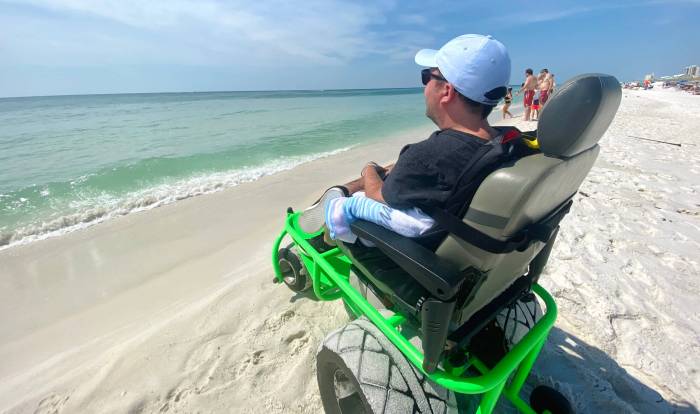
Best accessible beaches offer a world of opportunity for everyone to enjoy the coast. This guide explores destinations renowned for their inclusive designs, catering to diverse needs and abilities, from wheelchair users to those with visual or auditory impairments. We’ll delve into the key features that make a beach truly accessible, highlighting examples from around the globe and providing practical advice for planning your own inclusive beach vacation.
From identifying critical accessibility features like ramps and beach wheelchairs to outlining resources for planning accessible travel, this comprehensive resource aims to empower individuals with disabilities to experience the joy and relaxation of a beach getaway. We’ll cover everything from finding affordable travel options to selecting accommodations that meet specific needs, ensuring a smooth and enjoyable experience for all.
Travel Resources for Accessible Beaches
Planning a beach trip with accessibility needs requires careful research. Fortunately, numerous resources exist to assist in finding and verifying accessible beach locations and services. Utilizing these tools effectively can significantly enhance the travel experience and ensure a smooth and enjoyable vacation. This section details reliable resources and strategies for finding accurate accessibility information.
Reliable Websites and Mobile Applications
Several websites and mobile applications provide comprehensive information on accessible beaches worldwide. These platforms often include detailed descriptions of beach features, accessibility amenities (such as ramps, accessible restrooms, and beach wheelchairs), and contact information for beach facilities. Utilizing these tools allows for preliminary research and planning before embarking on your journey. Examples include specialized accessibility travel websites that curate lists of accessible beaches, as well as general travel websites that incorporate accessibility filters into their search functions.
Many tourism boards also provide specific information on accessible beaches within their regions.
Verifying Accessibility Information
While online resources are invaluable, it is crucial to critically assess the information found. Information on social media, for instance, should be treated with caution. While user reviews and photos can be helpful, they may not always reflect the most up-to-date situation. Similarly, website information can become outdated. Pay attention to the last updated date and cross-reference information from multiple sources whenever possible.
Looking for official statements from governing bodies or beach facility websites is generally a more reliable approach.
Direct Contact with Beach Facilities, Best accessible beaches
The most reliable way to confirm accessibility details is by contacting the beach facility directly. A phone call or email allows you to ask specific questions about amenities, services, and any potential limitations. This direct communication helps ensure your needs are met and can avoid unexpected difficulties during your trip. For example, inquiring about the availability of beach wheelchairs or the condition of access ramps is crucial for planning a successful and inclusive beach vacation.
Flight Deals and Hacks
Securing affordable airfare is crucial for making accessible travel a reality. This section Artikels strategies for finding and booking budget-friendly flights, leveraging loyalty programs, and capitalizing on last-minute deals. By employing these techniques, you can significantly reduce the cost of your air travel and make your accessible beach vacation more attainable.Finding affordable airfare requires a multi-pronged approach. Successful strategies involve utilizing flight comparison websites effectively, understanding seasonal pricing fluctuations, and being flexible with your travel dates.
Using Flight Comparison Websites
Flight comparison websites aggregate flight data from various airlines, allowing you to quickly compare prices and schedules. To maximize their effectiveness, consider the following: Be flexible with your travel dates; experimenting with dates a few days before or after your preferred travel window can often reveal significant price differences. Consider flying into alternative airports; sometimes, airports slightly further from your final destination offer cheaper flights.
Clear your browser’s cookies and cache before each search; websites sometimes track your searches and adjust prices accordingly. Finally, use incognito or private browsing mode to avoid this price inflation.
Booking During Off-Peak Seasons
Airfare prices are heavily influenced by seasonality. Generally, flying during the off-season (typically shoulder seasons – spring and fall – or during weekdays) yields lower fares compared to peak travel periods (summer holidays, school breaks). For example, flying to a popular beach destination in late September might cost significantly less than a flight during July. Planning your trip around less popular times can lead to substantial savings.
Utilizing Airline Loyalty Programs
Airline loyalty programs offer various benefits, including accumulating frequent flyer miles, priority boarding, and access to airport lounges. These miles can be redeemed for free or discounted flights, significantly reducing travel expenses over time. It’s beneficial to choose an airline’s loyalty program that aligns with your travel patterns. For instance, if you frequently fly with a particular airline, it’s wise to focus on earning miles with their program.
Consistent flying and strategic credit card usage (many credit cards offer bonus miles) can help you accumulate miles more quickly.
Securing Last-Minute Flight Deals
While last-minute bookings often seem risky, they can sometimes yield unexpectedly low fares. Airlines frequently release unsold seats at discounted prices to fill their flights. Websites specializing in last-minute deals can be helpful resources. However, be prepared for less flexibility in terms of flight times and destinations. Also, be aware that last-minute deals might not always be available, particularly for popular routes.
Flexibility is key to success in this approach.
Train Travel Guides
Train travel offers a unique blend of convenience, scenic beauty, and sustainability, making it an attractive alternative to air or car travel, particularly for longer distances. This guide provides a comprehensive overview of planning and enjoying a train journey, from initial booking to maximizing comfort en route.Planning a train journey involves several key steps to ensure a smooth and enjoyable experience.
Understanding these steps will significantly enhance your travel experience.
Booking Train Tickets
Securing your train tickets in advance is crucial, especially during peak seasons or for popular routes. Many national and international rail companies offer online booking systems, allowing you to compare prices, choose your seats, and select any additional services you may require, such as luggage transportation or onboard meals. Consider using comparison websites that aggregate information from various rail providers to find the best deals.
Remember to check the cancellation policy before booking, as some tickets may be non-refundable or subject to fees. For example, booking a ticket from London to Edinburgh three months in advance on a popular route might yield significantly lower fares than booking a week before departure.
Selecting Train Routes and Schedules
Choosing the optimal route involves considering factors beyond just the shortest distance. Factor in the scenery, the frequency of trains, and the overall travel time. Consult train schedules meticulously; some routes may offer more frequent services or faster journeys than others. Interactive route planners on rail company websites or dedicated travel apps can help you visualize different options and compare travel times.
For instance, traveling between two cities might involve a direct route versus one with a change at a major hub; while the direct route is faster, the indirect route might offer better value or a more scenic journey.
Maximizing Comfort During Train Travel
Comfort during a train journey significantly impacts the overall travel experience. Packing strategically is key; consider bringing a neck pillow for support, noise-canceling headphones to minimize distractions, and a lightweight blanket for warmth. Staying hydrated is essential; bring a reusable water bottle to refill throughout the journey. If you have mobility issues, inform the train company in advance to arrange for assistance with boarding and disembarking.
For longer journeys, plan for regular breaks to stretch your legs and avoid stiffness.
Benefits of Train Travel
Train travel offers several compelling advantages. It’s often more cost-effective than air travel, especially for shorter to medium distances, once you factor in airport transfers and baggage fees. The scenic views from a train window can be breathtaking, offering a unique perspective on the passing landscape. Moreover, train travel has a significantly lower environmental impact compared to air travel, making it a more sustainable choice.
For example, a train journey between two major cities might cost significantly less than a flight, and the reduced carbon footprint contributes to a more environmentally conscious travel style.
Cruise Ship Reviews and Recommendations
Choosing a cruise can be an exciting adventure, but for travelers with disabilities, careful planning is essential to ensure a comfortable and enjoyable experience. This section provides a comparison of cruise lines known for their accessibility features and detailed reviews of specific ships, highlighting key accessibility aspects. We also offer tips to help you select a cruise that perfectly meets your individual needs.
Cruise Line Accessibility Comparison
Several cruise lines have made significant strides in improving accessibility for passengers with disabilities. However, the level of accessibility varies considerably between lines and even between ships within the same line. This comparison focuses on key features and amenities commonly considered crucial for accessible travel.
| Cruise Line | Accessible Cabin Availability | Wheelchair Accessibility | Adaptive Equipment | Staff Training |
|---|---|---|---|---|
| Royal Caribbean International | Wide range of accessible staterooms available on most ships. | Good wheelchair accessibility throughout the ship, including elevators and public areas. | Offers various adaptive equipment upon request, including shower chairs and grab bars. | Generally well-trained staff in assisting passengers with disabilities. |
| Carnival Cruise Line | Offers accessible staterooms, but availability may vary depending on the ship and sailing. | Good wheelchair accessibility in most public areas, but some older ships may have limitations. | Provides some adaptive equipment, but availability may vary. | Staff training on accessibility varies across ships and sailings. |
| Disney Cruise Line | Provides accessible staterooms with features designed for guests with disabilities. | Good wheelchair accessibility throughout the ship. | Offers a range of adaptive equipment and services. | Staff known for their commitment to providing excellent service to all guests, including those with disabilities. |
| Norwegian Cruise Line | Offers accessible staterooms with varying levels of accessibility depending on the ship. | Generally good wheelchair accessibility, but some older ships may have limitations. | Availability of adaptive equipment may vary. | Staff training on accessibility is generally good. |
Accessible Cabin Features and Amenities
The availability and specific features of accessible cabins vary significantly between cruise lines and even within the same line. However, common features include wider doorways, roll-in showers, grab bars, and lower counters. Some lines offer cabins with additional space for wheelchairs or other mobility devices. For example, Royal Caribbean’s accessible cabins often include features like a lowered sink and adjustable shower head.
Disney Cruise Line often includes features such as accessible balconies. It is crucial to inquire about specific cabin features when booking to ensure they meet your individual needs.
Accessible Onboard Activities and Facilities
Beyond the cabins, the overall accessibility of the ship is critical. Many cruise lines offer accessible pools, spas, restaurants, and theaters. However, the extent of accessibility can vary. For instance, some ships may have elevators with sufficient capacity for wheelchairs, while others may have limited access to certain areas. Check the cruise line’s website or contact their accessibility department to learn about specific onboard amenities and activities suitable for passengers with disabilities.
Some lines offer adaptive equipment for onboard activities, such as specialized snorkeling equipment.
Tips for Selecting an Accessible Cruise
When selecting a cruise, start by identifying your specific accessibility needs. Then, research cruise lines and ships known for their commitment to accessibility. Contact the cruise line directly to discuss your specific requirements and confirm the availability of suitable cabins and amenities. Request detailed information about the accessible cabins, including dimensions, features, and location on the ship.
Also, inquire about the availability of adaptive equipment and staff training on accessibility. Don’t hesitate to ask about potential challenges and how the cruise line will assist you in overcoming them. Booking through a specialized travel agency that focuses on accessible travel can also be beneficial.
Road Trip Guides and Tips
Planning an accessible road trip requires careful consideration of various factors to ensure a smooth and enjoyable journey for everyone. This guide offers practical advice for individuals with disabilities, covering vehicle selection, route optimization, and managing potential challenges along the way. We’ll explore strategies for maximizing comfort and minimizing stress during long drives.
Vehicle Accessibility Considerations
Choosing the right vehicle is paramount for an accessible road trip. Consider the specific needs of the traveler(s) and select a vehicle with appropriate features. This might include a vehicle with a wheelchair ramp or lift, hand controls, adaptive steering, or sufficient space for mobility aids. Rental companies often offer accessible vehicles, but booking well in advance is crucial due to limited availability.
Before confirming your rental, thoroughly inspect the vehicle to ensure all accessibility features are functioning correctly and meet your needs. For example, if a wheelchair lift is needed, test it multiple times to ensure it operates smoothly and safely. Confirm the vehicle’s dimensions to ensure it can accommodate wheelchairs and other mobility equipment.
Route Planning and Navigation
Effective route planning minimizes stress and maximizes comfort. Utilize online mapping tools with accessibility filters to identify accessible routes and rest stops along the way. Consider factors such as the availability of accessible restrooms, parking, and lodging. Plan for frequent breaks to avoid fatigue and discomfort. Research the accessibility features of each accommodation you are considering, such as the availability of accessible rooms and ramps.
For example, use Google Maps’ accessibility features to identify routes with accessible sidewalks and crosswalks, or plan stops at hotels with verified accessibility features on websites like TripAdvisor.
Rest Stops and Accommodation
Accessible rest stops are vital for managing fatigue and maintaining comfort during long drives. Plan your route with readily available, accessible rest areas in mind. Before departing on any leg of the journey, check online resources such as the websites of state transportation departments or rest area directories for details on accessibility features at each planned stop. Ensure these stops have accessible restrooms, ample parking space, and potentially areas for stretching or light exercise.
When selecting accommodations, prioritize those with accessible rooms and amenities, such as roll-in showers and grab bars. Confirm accessibility features directly with the hotel or motel before booking.
Managing Fatigue and Discomfort During Long Drives
Long drives can be physically and mentally demanding, particularly for individuals with disabilities. Implement strategies to mitigate fatigue and discomfort. This includes taking frequent breaks, stretching regularly, and adjusting the driving position for optimal comfort. Consider using ergonomic seating and support devices to minimize pain and discomfort. Packing snacks and drinks that meet dietary needs and preferences helps maintain energy levels.
For example, packing a cooler with healthy snacks and drinks avoids the need for frequent stops at potentially inaccessible locations. Bringing along comfortable pillows and blankets can also significantly improve comfort during rest stops or overnight stays.
Accessible Rental Vehicles: Benefits and Challenges
Renting an accessible vehicle offers flexibility and convenience for road trips. It ensures the traveler has a vehicle specifically tailored to their needs, without the commitment of purchasing one. However, availability can be limited, requiring advance booking. The cost of renting an accessible vehicle is often higher than a standard vehicle. Furthermore, it’s essential to thoroughly inspect the vehicle before accepting it to ensure that all accessibility features are in working order and meet the individual’s requirements.
Insurance coverage and any potential additional charges should also be clarified with the rental company.
Budget Accommodation Tips
Securing affordable and accessible accommodation is crucial for budget-conscious travelers with disabilities. This section Artikels strategies for finding cost-effective lodging options that meet accessibility needs, including negotiating discounts and utilizing specialized booking resources. Careful planning and resourcefulness can significantly reduce travel expenses without compromising comfort or accessibility.Finding affordable and accessible accommodation requires a multi-pronged approach. This involves exploring various lodging types, employing smart booking techniques, and leveraging resources specifically designed for accessible travel.
Budget-Friendly Accommodation Options
Budget travelers with accessibility requirements have a range of options. Budget hotels often offer accessible rooms, although availability may be limited. Hostels, while sometimes perceived as less luxurious, can provide affordable, accessible private rooms or adapted dorm spaces. Vacation rentals, such as those listed on Airbnb or VRBO, offer greater flexibility and potential for accessibility features, but require careful vetting to ensure suitability.
Comparing prices across different platforms and lodging types is essential to identify the best value. For example, a budget hotel might offer a better rate than a seemingly cheaper hostel if considering additional costs like private room fees.
Negotiating Lower Prices on Accessible Rooms
Negotiating lower prices for accessible rooms is often possible. Contacting hotels or rental providers directly, rather than solely relying on online booking platforms, can yield better results. Explain your accessibility needs clearly and politely, highlighting the value of your business. Booking during the off-season or shoulder seasons can significantly reduce costs, as can booking well in advance or at the last minute (though availability of accessible rooms is less predictable in the latter case).
Mentioning any loyalty programs or memberships you possess might also lead to discounts. For instance, explaining that you are a member of a disability organization may encourage a discount.
Websites and Apps for Booking Accessible Accommodation
Several websites and apps specialize in booking accessible accommodation. These platforms often provide detailed information on accessibility features, user reviews, and photos of accessible rooms. Some examples include AccessibleGO, Wheelchair Getaways, and specialized filters within Booking.com and Expedia. Using these platforms can streamline the search process and ensure that the chosen accommodation meets specific accessibility requirements.
These resources offer a centralized location for comparing accessible options and reading verified reviews from other travelers with disabilities, saving valuable time and effort.
Vacation Rentals and Airbnb
Vacation rentals, particularly those listed on platforms like Airbnb, offer a compelling alternative to traditional hotels for accessible travel. They often provide more space and flexibility, potentially allowing for greater customization to meet individual accessibility needs. However, navigating the search and booking process requires careful attention to detail and proactive communication.Finding suitable accessible vacation rentals requires a strategic approach.
The key lies in effectively utilizing the search filters and communication features available on these platforms.
Identifying Accessibility Features in Airbnb Listings
Airbnb allows users to filter search results based on specific amenities. While the terminology might not always be consistent, look for s like “wheelchair accessible,” “accessible bathroom,” “roll-in shower,” “wide doorways,” “ramp access,” and “elevator.” However, remember that these descriptions are self-reported by hosts and should be verified. Thoroughly examine photos and read guest reviews, paying close attention to comments about accessibility.
Don’t hesitate to zoom in on photos to assess the dimensions of doorways, hallways, and bathroom fixtures. Look for evidence of grab bars, raised toilet seats, and other assistive devices. Consider contacting previous guests who have mobility impairments to ask for their firsthand experiences.
Communicating Accessibility Needs to Hosts
Open and direct communication with the host is crucial. Before booking, clearly and concisely Artikel your specific accessibility requirements in a message. Be specific; instead of simply stating “wheelchair accessible,” detail the dimensions of your wheelchair and the specific features you need (e.g., a roll-in shower with a certain minimum width). Request high-resolution photos of areas relevant to your accessibility needs.
Ask about the presence and condition of assistive devices. Confirm the accuracy of the listing’s accessibility claims. A positive and proactive approach will usually result in a more accommodating experience.
Benefits and Drawbacks of Vacation Rentals Compared to Hotels for Accessible Travel
Vacation rentals often offer more space than hotel rooms, providing greater maneuverability for wheelchair users or those with other mobility challenges. The kitchen facilities can be beneficial for individuals with dietary restrictions or those requiring specific meal preparation. The potential for customization allows for arranging furniture to improve accessibility. However, accessibility features in vacation rentals can be inconsistent.
Unlike hotels which often adhere to accessibility standards, vacation rentals vary widely in their level of accessibility. Lack of on-site staff might make it more difficult to address unexpected accessibility issues during your stay. Additionally, the absence of standard accessibility features can lead to unforeseen challenges. The level of accessibility is dependent on the individual host’s commitment and understanding of accessibility needs.
Hotel Reviews and Tips
Choosing a hotel that caters to accessibility needs is crucial for a comfortable and enjoyable trip. This section provides reviews of hotels known for their accessibility features and offers tips to ensure your stay is seamless and stress-free. We’ll examine specific examples of accessible rooms, facilities, and services, and highlight the importance of thorough research before booking.Finding a truly accessible hotel requires more than just checking a box on a booking website.
Many hotels advertise accessibility, but the reality may differ. This section aims to provide a clearer understanding of what to look for and how to verify accessibility claims. We will explore the vital role of user reviews in confirming the accuracy of a hotel’s accessibility claims.
Accessible Hotel Room Features
Accessible hotel rooms should go beyond simply having a roll-in shower. Consider features such as wider doorways (at least 36 inches wide), adjustable height beds, lowered light switches and electrical outlets, grab bars in the bathroom, adequate space for wheelchair maneuvering, and accessible closet rods and shelves. For example, the Hyatt Regency Chicago boasts spacious accessible rooms with ample turning space, roll-in showers with grab bars, and adjustable height beds.
In contrast, some hotels might advertise accessibility but only offer a room with a roll-in shower, neglecting other crucial aspects of accessibility. Detailed descriptions of accessible features on the hotel website and in third-party reviews are essential for making an informed decision.
Verifying Accessibility Details Before Booking
Before making a reservation, contact the hotel directly to confirm accessibility details. Don’t rely solely on online descriptions. Ask specific questions about room dimensions, bathroom features (type of shower, grab bar placement, toilet height), the presence of visual or auditory alerts, and the availability of assistive devices (e.g., visual telephone, TTY). Request photos of the accessible room if possible.
For example, instead of just asking if a room is accessible, inquire about the width of the doorway and the presence of a shower seat. This proactive approach minimizes the risk of disappointment upon arrival.
The Importance of User Reviews from Travelers with Disabilities
Reading reviews from other travelers with disabilities is invaluable. These reviews offer firsthand accounts of the actual accessibility of the hotel, often providing details that might be overlooked in official descriptions. Look for reviews mentioning specific accessibility features and addressing potential challenges. Websites like TripAdvisor and Booking.com allow filtering reviews by accessibility, making it easier to find relevant feedback.
Pay close attention to reviews that highlight both positive and negative aspects of accessibility, providing a balanced perspective. For instance, a review might mention the excellent grab bars in the shower but also point out the lack of accessible pathways to the pool. This type of detail is crucial for making an informed decision.
RV and Camper Travel: Best Accessible Beaches
RV and camper travel offers a unique blend of freedom and flexibility, making it an appealing option for many. However, for individuals with disabilities, careful planning and consideration are crucial to ensure a safe and enjoyable experience. This section explores the advantages and challenges of RV and camper travel for people with disabilities, offering practical advice and resources to help facilitate accessible adventures.RV and camper travel presents both significant benefits and considerable challenges for individuals with disabilities.
The primary benefit lies in the potential for increased independence and personalized travel experiences. RVers can control their itinerary, making stops as needed and tailoring their trip to their specific accessibility requirements. This contrasts sharply with the often rigid schedules and limited accessibility options of traditional travel methods. However, challenges exist regarding vehicle accessibility, campsite accessibility, and the physical demands of RV maintenance and operation.
Vehicle Modifications for Accessibility
Adapting an RV or camper to meet individual accessibility needs is often necessary. This may involve installing ramps for wheelchair access, widening doorways, modifying bathrooms for easier maneuverability, and installing specialized seating or lifts. The specific modifications will depend on the individual’s disability and needs. For example, a person using a wheelchair might require a ramp leading into the RV, while someone with limited mobility might need grab bars installed in the bathroom.
Professional RV modification companies can provide expert guidance and services, although this can be a significant financial investment. Thorough research and planning are crucial to ensure modifications meet specific requirements and are safely installed.
Accessible Campgrounds and RV Parks
Finding accessible campgrounds and RV parks is vital for comfortable RV travel. Campgrounds should be assessed for features like paved pathways, accessible restrooms and showers, level campsites to avoid difficult maneuvering, and adequate space for wheelchair users to navigate. Resources such as the Access Board’s website and specialized disability travel websites provide directories of accessible campgrounds and RV parks, often with user reviews and detailed accessibility information.
When booking, it is crucial to directly contact the campground to verify accessibility features and confirm their suitability to individual needs. Look for features such as accessible picnic tables, fire rings, and proximity to amenities.
Strategies for Comfortable and Enjoyable RV Travel
Careful planning is key to ensuring a comfortable and enjoyable RV trip for travelers with disabilities. This includes pre-planning routes to minimize strenuous travel days, packing necessary medical equipment and supplies, and bringing along personal care assistants or support personnel as needed. Travelers should also familiarize themselves with emergency procedures and local accessibility resources at their destinations. Packing lightweight and easily accessible items is essential to minimize strain.
Consider utilizing assistive technology, such as GPS systems with voice commands or specialized communication devices. Pre-booking campsites and planning activities in advance helps avoid unforeseen complications and ensures access to desired facilities. It is also advisable to have backup plans in place in case of unexpected accessibility challenges or emergencies.
Unique Stays and Treehouses
Stepping beyond the typical hotel experience, unique accommodations like treehouses, cabins, and yurts offer a chance to connect with nature and enjoy a memorable vacation. For travelers with disabilities, finding accessible options within these unique settings might seem challenging, but with careful planning and research, it’s entirely possible to enjoy these extraordinary stays. These accommodations can provide a sense of adventure and tranquility, often surpassing the amenities and experiences offered by traditional hotels.These unique stays offer a chance to escape the ordinary and immerse oneself in a different environment, providing a truly memorable travel experience.
The appeal to travelers with disabilities lies in the potential for a more personalized and enriching experience, often offering a slower pace and greater connection to the surroundings. The quiet and secluded nature of many of these accommodations can also be particularly appealing to those seeking respite from bustling city environments.
Accessible Treehouse Accommodations
Many modern treehouses are being designed with accessibility in mind. Features like ground-level access ramps, wide doorways, and roll-in showers are becoming increasingly common. For example, some companies specialize in building custom accessible treehouses, incorporating features such as wheelchair-friendly decks, ramps with gentle slopes, and adaptive bathroom facilities. It’s crucial to thoroughly check the specific accessibility features offered by each individual treehouse before booking, as standards can vary widely.
Some treehouses might offer features like grab bars in bathrooms, adjustable height beds, and wider walkways to accommodate wheelchairs or mobility aids.
Accessible Cabin and Yurt Stays
Cabins and yurts, often located in more rural settings, are also increasingly incorporating accessibility features. Features like single-story designs, wide doorways, and accessible bathrooms are becoming more common in newer constructions and renovations. Older cabins and yurts might require more careful vetting to ensure they meet individual accessibility needs. Many owners are actively working to improve accessibility, motivated by the growing demand for inclusive tourism.
Before booking, it’s essential to directly contact the owners or booking platforms to discuss specific accessibility requirements and verify the availability of features such as ramps, grab bars, and wheelchair-accessible pathways.
Finding and Booking Accessible Unique Stays
Several online booking platforms now allow filtering for accessibility features. These platforms often include detailed descriptions of accessibility features, allowing travelers to make informed choices. It’s advisable to contact the property directly to discuss specific accessibility needs and confirm the accuracy of the information provided online. Reading reviews from other travelers with disabilities can also offer valuable insights into the actual accessibility of the accommodation.
Don’t hesitate to ask specific questions about features that are crucial for your comfort and mobility. Detailed communication is key to ensuring a positive and comfortable stay.
Houseboat and Yacht Stays
Houseboat and yacht vacations offer a unique and potentially luxurious travel experience, but accessibility considerations are crucial for ensuring a comfortable and enjoyable trip for individuals with disabilities. The inherent design of these vessels, coupled with the aquatic environment, presents both opportunities and challenges for accessible travel. This section explores the accessibility features and challenges, offering guidance on finding suitable accommodations and planning a successful trip.Houseboat and yacht accessibility varies significantly depending on the vessel’s age, size, and the owner’s commitment to inclusivity.
Older vessels are less likely to have incorporated modern accessibility features. Even newer vessels may lack features crucial for those with mobility impairments, visual impairments, or other disabilities. Safety concerns, including navigating ramps and steps on a moving vessel in varying weather conditions, are paramount.
Accessibility Features and Challenges
Many houseboats and yachts lack features commonly found in accessible hotels or vacation rentals. Ramps, wider doorways, and accessible bathrooms are often absent. Navigating narrow corridors and steps can be difficult for wheelchair users. The inherent instability of a vessel on water introduces additional safety concerns. Individuals with balance issues or those using mobility aids may find maneuvering challenging.
Furthermore, the location of essential facilities like life vests and safety equipment should be readily accessible and clearly marked with appropriate signage. Emergency procedures and evacuation plans need to be communicated effectively to all passengers, including those with disabilities.
Finding Accessible Houseboats and Yachts
Locating accessible houseboats and yachts requires proactive research and direct communication with rental companies or owners. Specialized travel agencies catering to accessible tourism can be invaluable resources. Websites and booking platforms may offer filters for accessibility features, but verifying details directly with the provider is crucial. Request detailed information about the vessel’s layout, including dimensions of doorways, hallways, and bathrooms.
Inquire about the presence of ramps, grab bars, and other assistive devices. Don’t hesitate to ask for photos or videos to assess the accessibility firsthand. Clear communication with the rental company about your specific accessibility needs will ensure a smoother booking process and a more enjoyable vacation.
Planning an Accessible Houseboat or Yacht Vacation
Thorough planning is essential for a successful and safe houseboat or yacht vacation for individuals with disabilities. Consider the size and layout of the vessel in relation to your mobility needs. Evaluate the location and accessibility of nearby shore facilities, including ramps, restrooms, and emergency services. Pack any necessary assistive devices, including wheelchairs, walkers, or other mobility aids.
Familiarize yourself with the vessel’s safety procedures and emergency evacuation plan. Discuss any specific medical needs or concerns with the rental company and plan accordingly. For example, ensuring access to medical assistance in remote locations might involve carrying necessary medication or contacting local medical services in advance. Finally, traveling with a support person or companion can greatly enhance safety and independence during the trip.
Ultimately, the pursuit of accessible beaches is about inclusivity and ensuring everyone can experience the beauty and tranquility of the ocean. By understanding the key features and resources available, planning an accessible beach vacation becomes achievable and rewarding. We hope this guide inspires you to explore the world’s best accessible beaches and create unforgettable memories.
FAQ
What types of beach wheelchairs are available?
Several types exist, including all-terrain chairs for sand, amphibious chairs for water access, and standard beach wheelchairs for firm surfaces. Features vary, so research options carefully.
How can I verify accessibility information online?
Cross-reference information from multiple sources, including official websites, reputable travel blogs, and user reviews. Contact the beach or accommodation directly to confirm details.
Are there any organizations that assist with accessible travel planning?
Yes, many organizations specialize in accessible travel, offering advice, resources, and booking assistance. Research organizations in your region or country.
What should I pack for an accessible beach vacation?
Essential items include any necessary mobility aids, sunscreen, appropriate clothing, medications, and any personal comfort items.