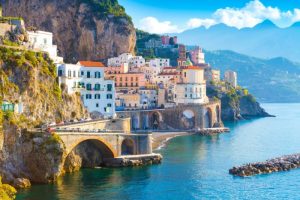
Gap year travel in Europe: The very phrase conjures images of cobblestone streets, ancient castles, and vibrant city life. This isn’t just about ticking off bucket list destinations; it’s about immersing yourself in diverse cultures, forging unforgettable memories, and discovering a newfound independence. This guide will equip you with the essential planning tools, practical tips, and insightful advice to make your European gap year an enriching and rewarding experience.
From meticulously crafted itineraries and budget-friendly accommodation options to navigating Europe’s extensive transportation networks and uncovering hidden gems, we’ll cover every aspect of planning your adventure. We’ll delve into the best ways to find incredible flight and train deals, explore unique and affordable lodging choices, and share insider tips for experiencing authentic European culture. Whether you’re a seasoned traveler or a first-time adventurer, this comprehensive guide will empower you to create a personalized gap year that perfectly aligns with your interests and budget.
Budget Accommodation Tips
Finding affordable and safe accommodation is crucial for a successful and enjoyable European gap year. Careful planning and a flexible approach can significantly reduce your accommodation costs, allowing you to allocate more of your budget to experiences and activities. This section will explore various strategies for securing budget-friendly lodgings across Europe.
Securing affordable and safe accommodation involves a multi-pronged approach. It’s not simply about finding the cheapest option; safety and location are equally important considerations. Prioritizing these factors alongside cost-effectiveness will ensure a positive travel experience.
Hostel Accommodation, Gap year travel in Europe
Hostels offer a cost-effective and social way to experience Europe. They range from basic dorm rooms to private rooms, catering to different budgets and preferences. Many hostels are located in central city areas, providing easy access to attractions and public transportation. Websites like Hostelworld and Booking.com offer extensive listings, allowing you to compare prices and read reviews before booking.
Consider hostels with secure lockers for valuables and good reviews regarding cleanliness and safety. Remember that prices often fluctuate depending on the season and location. For example, a hostel bed in a popular city like Amsterdam during peak summer months might cost €30-€40 per night, while a similar bed in a smaller town in the off-season could cost half that price.
Budget Hotels and Guesthouses
Budget hotels and guesthouses represent a step up from hostels, offering more privacy in the form of private rooms. Websites such as Booking.com, Expedia, and Hotels.com frequently offer deals and discounts on these types of accommodations. Looking for smaller, independently-run establishments can often yield better prices than large hotel chains. Reading reviews carefully is crucial, focusing on cleanliness, safety, and proximity to transportation.
For instance, a small family-run guesthouse in a charming Italian village might offer a unique and authentic experience at a fraction of the cost of a large hotel in a major city.
Airbnb and Similar Platforms
Airbnb and similar platforms offer a wide variety of accommodation options, from private rooms in apartments to entire houses or apartments. This can be a great way to experience local life and often provides more space and amenities than hostels or budget hotels. However, it’s essential to carefully read reviews and check the location before booking, ensuring it’s safe and convenient.
Booking in advance, especially during peak season, is crucial to secure the best deals and availability. For example, booking a private room in a local’s apartment in Barcelona during the off-season could be considerably cheaper than a hotel room, potentially offering a more authentic cultural immersion.
Finding Discounts and Deals
Several methods can help you find discounts and deals on accommodation. Websites like Booking.com and Expedia often offer last-minute deals or discounts for booking longer stays. Signing up for newsletters from these websites can also alert you to special offers. Consider travelling during the shoulder season (spring or autumn) to avoid peak season prices and crowds. Furthermore, utilizing loyalty programs and travel rewards cards can sometimes provide discounts or points towards future accommodation bookings.
For example, a traveler might accumulate points through a credit card that can then be redeemed for a free night’s stay at a participating hotel.
Booking in Advance
Booking accommodation in advance, especially during peak season (summer months and holidays), is highly recommended. Popular destinations often fill up quickly, leaving limited options and potentially higher prices if you wait until the last minute. Booking ahead allows you to secure your preferred accommodation type and location at a better rate, avoiding the stress of searching for a place to stay upon arrival.
For instance, securing accommodation in a popular tourist city like Rome during the summer months should be done well in advance, as availability is limited, and prices increase significantly closer to the travel dates.
Vacation Rentals and Airbnb: Gap Year Travel In Europe
Airbnb and similar vacation rental platforms offer a compelling alternative to traditional hotels for gap year travelers, providing a more immersive and often more affordable accommodation experience. They allow for greater flexibility and independence, particularly beneficial for those exploring Europe on a longer-term basis. However, it’s crucial to weigh the advantages against potential drawbacks before committing to this type of accommodation.Utilizing platforms like Airbnb during a gap year presents both significant benefits and potential challenges.
The advantages often outweigh the disadvantages, especially for budget-conscious travelers who value independence and a local experience. However, careful consideration and planning are essential to ensure a safe and positive experience.
Airbnb Advantages and Disadvantages
Airbnb offers a wide range of accommodation options, from private rooms in shared apartments to entire houses or apartments, catering to various budgets and preferences. This variety allows for a more personalized travel experience, enabling travelers to find accommodation that suits their specific needs and travel style. Furthermore, many Airbnb listings offer kitchen facilities, allowing travelers to prepare their own meals, potentially saving a significant amount of money on food costs over the course of a gap year.
The opportunity to interact with local hosts can provide valuable insights into the local culture and community. Conversely, potential drawbacks include the lack of consistent service standards compared to hotels. Safety concerns, the potential for hidden fees, and the possibility of encountering unreliable hosts are all valid considerations. Finally, the level of amenities and cleanliness can vary significantly between listings.
Choosing a Safe and Suitable Airbnb
Selecting a safe and suitable Airbnb requires careful attention to detail. Prioritize listings with numerous positive reviews, paying close attention to comments regarding cleanliness, safety, and the host’s responsiveness. Verify the host’s identity and read their profile carefully. Look for listings with clear and detailed photographs, accurately representing the property and its surroundings. Consider the location of the property; a well-lit and easily accessible area with good public transport links is preferable.
Ensure the listing clearly states the cancellation policy and any additional fees. Finally, confirm that the property is equipped with essential safety features, such as smoke detectors and functioning locks.
Communicating Effectively with Airbnb Hosts
Clear and proactive communication with your Airbnb host is vital for a positive experience. Before booking, ask any clarifying questions about the property or local area. Upon booking, confirm arrival and departure times, and provide your contact information. During your stay, promptly address any issues or concerns that may arise. Maintain respectful communication, and always adhere to the house rules Artikeld by the host.
Upon checkout, leave the property clean and tidy, as agreed upon. A polite and respectful interaction fosters a positive relationship with the host and contributes to a more enjoyable stay.
Hotel Reviews and Tips

Choosing the right hotel can significantly impact your gap year experience in Europe. Finding a balance between comfort, affordability, and location is key, especially when traveling on a budget. This section will provide insights into selecting hotels that meet the needs of budget-conscious gap year travelers.
Comparative Analysis of Budget Hotel Chains
Several hotel chains cater specifically to budget travelers. Ibis Budget (Accor Hotels) and Premier Inn (Whitbread) are two prominent examples in Europe, known for their standardized, no-frills rooms at competitive prices. These chains typically offer basic amenities like comfortable beds, en-suite bathrooms, and often free Wi-Fi. They prioritize practicality and affordability, making them suitable for those prioritizing budget over luxury.
Another option, particularly popular in Eastern Europe, are smaller, independent family-run hotels, which can sometimes offer even lower rates than large chains, though consistency in quality can vary. Consider researching specific local options in the areas you plan to visit.
Finding Hotel Deals and Discounts
Securing affordable hotel stays requires proactive searching. Loyalty programs offered by hotel chains (such as Accor Live Limitless or IHG Rewards Club) often provide discounts and perks for repeat customers. Booking websites like Booking.com, Expedia, and Hostelworld allow for price comparisons across various hotels and offer occasional deals and promotions. Furthermore, consider travelling during the off-season or shoulder season (spring and autumn) to benefit from lower rates.
Flexibility with your travel dates can also significantly influence the price, as hotels often adjust their pricing based on demand. Finally, always check directly with the hotel; sometimes their website offers better rates than third-party booking platforms.
Factors to Consider When Choosing a Hotel
Several crucial factors should guide your hotel selection. Location is paramount; choosing a hotel near public transportation or within walking distance of major attractions can save on transportation costs. Safety is also a key consideration; research the hotel’s neighborhood and read recent reviews to assess its security. While amenities like swimming pools or fitness centers are nice-to-haves, they are not essential for budget travelers.
Prioritize clean and comfortable rooms with reliable Wi-Fi access. Reading reviews from previous guests on websites like TripAdvisor or Google Hotels provides valuable insights into the hotel’s cleanliness, service, and overall experience. Consider the overall value proposition: a slightly more expensive hotel with better location and safety might ultimately be a more cost-effective choice than a cheaper hotel in a less desirable area.
RV and Camper Travel
Embarking on a European adventure in an RV or campervan offers unparalleled freedom and flexibility, allowing you to explore at your own pace and discover hidden gems off the beaten path. This mode of travel is particularly appealing for those seeking a blend of independence and immersive cultural experiences. However, careful planning and understanding of local regulations are essential for a smooth and enjoyable journey.RV and campervan travel presents a unique set of considerations compared to other forms of European travel.
Successfully navigating this style of adventure requires understanding rental processes, European driving regulations, and the nuances of campsite reservations. Proper preparation will significantly enhance your experience.
Rental Options and Processes
Numerous companies across Europe offer RV and campervan rentals, catering to a range of budgets and preferences. Options range from compact campervans ideal for solo travellers or couples to larger RVs suitable for families. Booking in advance, especially during peak season, is strongly recommended to secure your preferred vehicle and dates. Thoroughly review rental agreements, paying close attention to insurance coverage, mileage limits, and any additional fees.
Inspect the vehicle carefully before departure and document any pre-existing damage. Familiarize yourself with the vehicle’s operational features before setting off on your journey. Many rental companies offer optional extras such as bicycle racks or camping equipment.
Driving Regulations and Road Conditions
Driving regulations vary across European countries. Ensure you possess a valid driver’s license recognized in the countries you plan to visit. An International Driving Permit (IDP) is often recommended, even if your license is already in a language understood in the region. Familiarize yourself with local speed limits, traffic laws, and toll systems. Be aware of potential height and width restrictions on certain roads, particularly in older city centers or mountainous regions.
European roads can vary significantly in quality; some routes may be narrow and winding, requiring careful driving.
Campsite Bookings and Alternatives
Campsite reservations, especially during peak season, are highly advisable, particularly in popular tourist areas. Numerous online platforms facilitate campsite bookings, providing information on amenities, prices, and availability. Many campsites offer a range of services, from basic pitches to fully equipped spaces with electricity and water hookups. Consider factors such as location, amenities, and proximity to attractions when selecting a campsite.
Alternatively, wild camping is permitted in some areas, but always check local regulations beforehand, as it’s often restricted or prohibited. Some countries may have designated areas for overnight parking, providing a more affordable option than formal campsites.
Sample Itinerary: A Month in the Italian and French Riviera
This itinerary focuses on a month-long journey along the stunning Italian and French Rivieras, showcasing the diverse landscapes and charming towns of this region. It balances driving time with opportunities for exploration and relaxation.
| Day | Location | Activities |
|---|---|---|
| 1-3 | Milan, Italy | Explore the city, visit the Duomo, and enjoy Milanese cuisine. |
| 4-6 | Cinque Terre, Italy | Hike between the five picturesque villages, enjoy seafood, and relax by the Ligurian Sea. |
| 7-9 | Nice, France | Explore the Promenade des Anglais, visit the old town, and enjoy the vibrant atmosphere. |
| 10-12 | Cannes, France | Visit the Palais des Festivals, stroll along the beaches, and enjoy the glamorous ambiance. |
| 13-15 | Saint-Tropez, France | Explore the charming port, visit the citadel, and enjoy the luxurious atmosphere. |
| 16-18 | Marseille, France | Explore the old port, visit the Calanques National Park, and enjoy the city’s diverse culture. |
| 19-21 | Toulon, France | Visit the Mont Faron, explore the city’s naval history, and enjoy the coastal views. |
| 22-24 | Monaco | Visit the Monte Carlo Casino, explore the Prince’s Palace, and enjoy the luxurious atmosphere. |
| 25-28 | San Remo, Italy | Relax on the beaches, explore the city’s historical center, and enjoy the Italian Riviera. |
| 29-30 | Return to Milan | Return the RV and depart from Milan. |
Cost Breakdown: A Month-Long Trip
The cost of an RV or campervan trip across Europe can vary significantly depending on several factors, including the rental vehicle, travel style, and time of year. This is a sample estimation and actual costs may vary.
| Expense Category | Estimated Cost (per month) |
|---|---|
| RV/Campervan Rental | €2000 – €4000 |
| Fuel | €500 – €1000 |
| Campsite Fees | €500 – €1000 |
| Food and Groceries | €1000 – €2000 |
| Activities and Entrance Fees | €500 – €1000 |
| Miscellaneous Expenses | €200 – €500 |
| Total Estimated Cost | €4700 – €9700 |
Note: This is a broad estimate. Prices can fluctuate depending on the season, chosen rental company, and your spending habits.
Unique Stays and Treehouses
Embarking on a gap year in Europe presents a fantastic opportunity to experience the continent’s diverse culture and landscapes in unique ways. Beyond the typical hotels and hostels, a plethora of unusual accommodation options await, offering memorable and immersive travel experiences. Choosing to stay in unique lodgings can significantly enhance your journey, providing a deeper connection with your surroundings and creating lasting memories.Unique accommodation options offer a chance to step outside the conventional travel experience and embrace something truly memorable.
However, it’s important to weigh the potential advantages and disadvantages before booking. These options often come with a higher price tag and may be located in more remote areas, requiring more planning and potentially impacting accessibility to certain amenities.
Five Unique European Accommodation Options
Five examples of unusual and memorable accommodation choices across Europe include treehouses nestled in tranquil forests, offering a peaceful escape from city life; yurts providing a taste of nomadic culture, often found in picturesque countryside settings; converted castles, offering a regal experience steeped in history; lighthouses perched dramatically on cliffs, providing breathtaking ocean views and a unique sense of isolation; and cave dwellings, offering a fascinating glimpse into history and a chance to experience a truly unique environment.
Each offers a distinct ambiance and a chance to connect with the surrounding environment in a different way.
Advantages and Disadvantages of Unique Accommodations
Staying in unique accommodations during a gap year presents several advantages. These lodgings often provide a more immersive and memorable travel experience, allowing for a deeper connection with the local environment and culture. They can also offer a more authentic and less touristy experience compared to standard hotels. However, disadvantages include potentially higher costs, limited amenities, and potentially more challenging accessibility compared to mainstream hotels or hostels.
Furthermore, location may be more remote, requiring more planning for transportation and activities.
Finding and Booking Unique Accommodation Options
Finding and booking unique accommodations requires a proactive approach. Websites specializing in unique stays, such as Airbnb Experiences and Booking.com, offer a wide selection of options. Searching for specific s like “treehouse,” “yurt,” “castle,” or “cave dwelling” along with your desired location will yield relevant results. Reading reviews carefully is crucial to gauge the actual experience offered, and it’s important to confirm details such as accessibility, amenities, and transportation options before booking.
Directly contacting the property owner or manager can also be beneficial to clarify any questions or concerns before committing to a reservation.
Houseboat and Yacht Stays
Exploring Europe from the water offers a unique perspective, and the choice between a houseboat and a yacht significantly impacts the experience. Houseboats provide a more relaxed, self-sufficient style of travel, ideal for families or those seeking a slower pace. Yachts, on the other hand, offer a more luxurious and potentially faster-paced journey, often better suited for couples or smaller groups seeking a more glamorous adventure.Houseboat and yacht stays differ greatly in terms of accommodation, amenities, and the overall travel experience.
Houseboats typically offer more space for living and sleeping, often including fully equipped kitchens and comfortable living areas. Yachts, while potentially more stylish and equipped with modern conveniences, tend to have more limited living space and may prioritize elegance over sheer roominess. The level of self-sufficiency also varies; houseboats generally require more self-management, while yachts may offer more services and crew assistance, depending on the rental agreement.
European Locations Ideal for Houseboat and Yacht Stays
Numerous European waterways are perfect for both houseboat and yacht vacations. The canals and rivers of France, particularly those in Burgundy and the Loire Valley, are popular choices for houseboat rentals, offering picturesque scenery and charming villages along the route. For yacht enthusiasts, the Croatian coastline, with its numerous islands and crystal-clear waters, provides an ideal setting for exploring secluded coves and vibrant coastal towns.
Other excellent locations include the Netherlands, with its extensive network of canals, and Italy’s canals in Venice and the Amalfi Coast, though yacht travel in Venice may be more restricted. The waterways of Scotland and Ireland also offer stunning landscapes and tranquil cruising experiences, more suitable for smaller yachts or houseboats.
Costs Associated with Houseboat and Yacht Stays
The cost of renting a houseboat or yacht in Europe varies greatly depending on the size, amenities, location, and season. A typical week-long houseboat rental can range from €800 to €3000, excluding mooring fees. Mooring fees vary depending on location and the size of the vessel, and can add significantly to the overall cost. For instance, mooring in popular tourist areas can be substantially more expensive than in quieter locations.
Fuel costs are another factor to consider, especially for yachts, which can consume considerable amounts of fuel, particularly for longer journeys. Provisioning, maintenance, and any additional services like cleaning or crew assistance will also add to the total expense. Yacht rentals are generally significantly more expensive than houseboats, with weekly rentals starting from €3000 and often exceeding €10,000 depending on the size and luxury level of the yacht.
Additional expenses for a yacht charter may include skipper fees, food and beverage costs, and port fees. It’s crucial to obtain a detailed breakdown of all costs before booking to avoid unexpected expenses.
Embarking on a gap year in Europe is an incredible opportunity for personal growth, cultural exploration, and adventure. By carefully planning your itinerary, considering your budget, and utilizing the resources and tips provided in this guide, you can craft an unforgettable experience. Remember to embrace the unexpected, be open to new experiences, and most importantly, savor every moment of your journey across this captivating continent.
Your European gap year awaits – a time of self-discovery and adventure that will shape you in ways you never imagined.
Q&A
What visas do I need for a European gap year?
Visa requirements vary greatly depending on your nationality. Check the specific visa regulations for each country you plan to visit well in advance.
How safe is solo travel in Europe?
Europe is generally safe, but common sense precautions should always be taken, such as being aware of your surroundings and avoiding walking alone in poorly lit areas at night.
What’s the best time of year to travel?
Shoulder seasons (spring and autumn) offer pleasant weather and fewer crowds than peak summer months.
How can I stay connected while traveling?
Consider purchasing a local SIM card or using a portable Wi-Fi hotspot for convenient and affordable internet access.
What are some essential phrases to learn?
Learning basic greetings and phrases in the local languages of the countries you’ll be visiting will greatly enhance your experience.