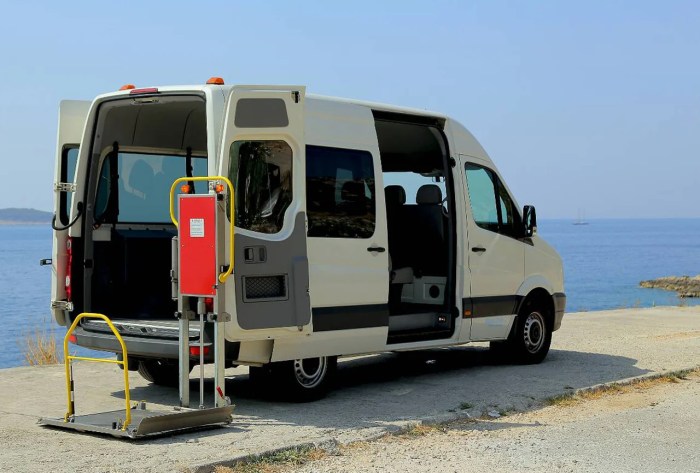
Accessible travel services are revolutionizing the tourism industry, ensuring everyone can experience the joy of exploration. This guide delves into the multifaceted world of accessible travel, addressing the diverse needs of travelers with disabilities and highlighting best practices for inclusive tourism. We’ll explore various transportation modes, accommodation options, and attractions, providing practical tips and resources to make your next trip both memorable and accessible.
From navigating airports and train stations to finding accessible accommodations and attractions, we cover everything you need to know for seamless and enjoyable travel. We examine legal and ethical considerations, discuss different types of accessibility needs, and compare global accessibility standards. This guide aims to empower travelers with disabilities and encourage businesses to prioritize inclusivity.
Defining Accessible Travel Services
Accessible travel services encompass the provision of travel experiences and accommodations that cater to the needs of individuals with disabilities, ensuring their full and equal participation in tourism. This goes beyond simply complying with legal requirements; it involves a proactive approach to creating inclusive and welcoming environments for all travelers.Accessible travel services recognize the diverse range of disabilities, including visual, auditory, mobility, and cognitive impairments, and adapt accordingly.
The goal is to provide a seamless and enjoyable travel experience that doesn’t compromise safety or independence.
Legal and Ethical Considerations of Accessible Travel, Accessible travel services
Providing accessible travel services is not merely a matter of good customer service; it’s a legal and ethical imperative. Many countries have legislation in place, such as the Americans with Disabilities Act (ADA) in the United States and the Equality Act 2010 in the United Kingdom, mandating accessibility standards for public accommodations, including transportation and tourism businesses. Ethical considerations emphasize the importance of respecting the dignity and autonomy of individuals with disabilities, ensuring their equal access to opportunities and experiences that others take for granted.
Failure to provide accessible services can lead to legal repercussions, reputational damage, and a significant loss of potential customers.
Types of Accessibility Needs
Different disabilities necessitate different types of accessibility provisions. Understanding these diverse needs is crucial for effective service provision.Visual impairments require accommodations such as Braille signage, audio descriptions, and tactile maps. Auditory impairments necessitate visual alerts, captioning, and induction loops. Mobility impairments often require ramps, elevators, accessible restrooms, and adapted transportation. Cognitive impairments may necessitate clear and concise instructions, simplified communication, and predictable environments.
Each disability presents unique challenges and requires tailored solutions to ensure full and equal participation.
Accessibility Certifications and Standards
Various organizations globally offer certifications and standards for accessibility. These certifications help businesses demonstrate their commitment to inclusivity and provide travelers with a benchmark for identifying accessible establishments. However, it’s important to note that standards and certifications can vary across regions.
| Certification/Standard | Region/Country | Focus | Key Features |
|---|---|---|---|
| ADA (Americans with Disabilities Act) | United States | Accessibility in public accommodations | Covers architectural, transportation, and communication accessibility. |
| EN 15150 | European Union | Accessibility for persons with disabilities in tourism services | Provides guidelines for accessible tourism services, covering various aspects from transportation to accommodation. |
| ISO 21001 | International | Learning services management systems | While not solely focused on travel, it provides a framework for managing accessibility within learning and training programs related to tourism. |
| Accessible Canada Act | Canada | Federal accessibility standards | Aims to remove barriers for persons with disabilities in various sectors, including transportation and tourism. |
Transportation Accessibility
Accessible transportation is crucial for ensuring individuals with disabilities can travel independently and participate fully in society. This section examines the accessibility features of various transportation modes and highlights best practices for inclusive design and implementation. We will also compare the accessibility provisions of major carriers and provide resources for travelers seeking assistance.
Accessibility Features of Various Transportation Modes
Air, rail, road, and water transportation each present unique accessibility challenges and opportunities. Air travel often involves navigating complex airports and aircraft interiors. Rail travel, while generally more accessible than air, can still present challenges depending on the age and maintenance of the infrastructure. Road transportation, encompassing buses and taxis, offers varying levels of accessibility depending on the vehicle type and the availability of accessible services.
Water transportation, including ferries and cruise ships, also presents accessibility considerations, especially regarding boarding and onboard facilities.
Best Practices for Accessible Transportation Design and Implementation
Designing for accessibility requires a holistic approach. For air travel, this includes wide aisles, accessible restrooms on aircraft, and clear signage throughout airports. In rail travel, this means accessible boarding platforms, ramps, and elevators at stations, as well as accessible train carriages with designated spaces for wheelchairs and other mobility devices. For road transportation, this translates to accessible buses with ramps and secure wheelchair restraints, and the availability of accessible taxis or ride-sharing services.
On water, it involves accessible gangways, ramps, and lifts for boarding vessels, as well as accessible cabins and facilities onboard. Implementation necessitates consistent monitoring, enforcement of regulations, and ongoing improvements based on user feedback. Regular maintenance and staff training are also essential for maintaining accessibility standards.
Comparison of Accessibility Provisions of Major Airlines and Train Companies
While regulations vary by country, many major airlines and train companies are making strides in accessibility. For example, some airlines offer pre-boarding assistance, wheelchair assistance, and dedicated seating for passengers with disabilities. Similarly, many train companies provide accessible carriages, ramps, and assistance at stations. However, the level of accessibility can differ significantly between carriers, even within the same country.
Some airlines and train companies may have more advanced accessible features and better staff training than others. Passengers should research the specific accessibility features offered by their chosen carrier before booking their travel. For example, comparing the accessibility information provided on the websites of Delta Airlines and Southwest Airlines reveals differences in their services for passengers with disabilities, highlighting the importance of individual carrier research.
Similarly, comparing Amtrak’s accessibility features to those of a smaller regional train company would reveal further variations.
Resources for Travelers with Disabilities Seeking Transportation Assistance
Finding reliable information and assistance can be crucial for travelers with disabilities. The following resources can provide valuable support:
- Disability Rights Organizations: These organizations often provide travel tips, advocacy, and support for travelers with disabilities.
- Government Transportation Agencies: Many countries have government agencies that oversee transportation accessibility and can provide information on regulations and resources.
- Airline and Train Company Websites: Check the websites of your chosen carriers for information on their accessibility policies and services.
- Accessible Travel Agencies: Specialized travel agencies cater to the needs of travelers with disabilities and can assist with booking accessible accommodations and transportation.
Accommodation Accessibility
Finding accessible accommodation is crucial for ensuring a comfortable and enjoyable travel experience for individuals with disabilities. The level of accessibility varies significantly between different types of accommodation, requiring careful consideration and planning before booking. This section Artikels key features to look for, provides a checklist for assessment, and guides travelers through the booking process.
Accessible accommodation goes beyond simply having a ramp; it encompasses a holistic approach to design and service that caters to a wide range of disabilities. This includes physical access, but also considers sensory and cognitive needs. The goal is to provide a stay that is as independent and comfortable as possible.
Key Features of Accessible Accommodations
Several key features contribute to the accessibility of hotel rooms, vacation rentals, and other accommodations. These features aim to remove barriers and allow individuals with disabilities to navigate and utilize the space with ease and independence.
- Wider doorways and hallways: Allowing easier wheelchair access and maneuverability with assistive devices.
- Roll-in showers or accessible bathrooms: Featuring grab bars, adjustable showerheads, and sufficient space for wheelchair transfer.
- Lowered countertops and light switches: Making them reachable for individuals using wheelchairs or other mobility aids.
- Visual and auditory alarms: Providing alternative alerts for individuals with hearing or visual impairments. This might include flashing lights alongside audible alarms for fire safety.
- Accessible furniture: Including adjustable beds, appropriately sized seating, and clear pathways for navigation.
- Accessible parking: Located close to the entrance with designated spaces and appropriate signage.
- Assistive technology compatibility: Ensuring that the accommodation can accommodate the use of assistive technology such as hearing loops or communication devices.
Accommodation Accessibility Checklist
Using a checklist helps ensure that potential accommodations meet the necessary accessibility standards before booking. This systematic approach reduces the risk of encountering unforeseen accessibility issues upon arrival.
- Entrance: Is there a ramp or accessible entrance? Is the entrance clearly marked and easily accessible?
- Parking: Are there designated accessible parking spaces available? Are they close to the entrance?
- Bedrooms: Are the doorways wide enough for wheelchair access? Is there sufficient space to maneuver a wheelchair? Is the bed at a suitable height?
- Bathrooms: Is there a roll-in shower or an accessible bathtub with grab bars? Is there sufficient space for a wheelchair to turn? Is the toilet height appropriate?
- Other Areas: Are there accessible routes to common areas such as dining rooms or pools? Are there visual or auditory alarms in case of emergency?
- Communication: Does the accommodation offer communication assistance for individuals with hearing or visual impairments? (e.g., visual menus, captioning)
Importance of Clear and Accurate Accessibility Information
Accommodation providers have a responsibility to provide clear, accurate, and detailed accessibility information. This is essential for travelers with disabilities to make informed decisions and avoid booking accommodations that may not meet their needs. Inaccurate or misleading information can lead to significant inconvenience and disappointment.
Examples of clear accessibility information would include detailed descriptions of accessible features, high-quality photographs showing the accessible areas, and contact information for verifying accessibility details.
Booking Accessible Accommodations: A Traveler’s Guide
Booking accessible accommodations requires proactive planning and careful attention to detail. This guide Artikels a step-by-step approach to ensure a successful booking.
- Identify your accessibility needs: Clearly define your specific accessibility requirements, considering mobility, vision, hearing, and cognitive needs.
- Contact the accommodation directly: Don’t solely rely on online descriptions. Call the accommodation to verify accessibility features and ask specific questions about the features important to you.
- Request visual confirmation: Ask for photographs or videos of the accessible features, to ensure they meet your needs.
- Review cancellation policies: Understand the cancellation policy in case the accommodation does not meet your accessibility needs upon arrival.
- Utilize accessibility booking websites: Many websites specialize in listing accessible accommodations, providing verified information and user reviews.
Activities and Attractions Accessibility
Ensuring enjoyable and accessible experiences for all visitors is crucial for the tourism industry. This section focuses on the accessibility of various attractions and activities, highlighting examples of inclusive practices and strategies for improvement. We’ll explore how different venues are adapting to cater to diverse needs and abilities.
Accessibility at tourist attractions varies greatly depending on the type of attraction and the level of investment made in accessibility infrastructure and services. Museums, national parks, and theme parks all present unique challenges and opportunities for inclusive design and practice. While some locations excel in providing comprehensive accessibility features, others lag significantly, creating barriers for people with disabilities.
Museum Accessibility
Many museums are actively improving their accessibility, offering features like wheelchair ramps, audio guides, tactile exhibits, and Braille signage. However, older buildings can present challenges. For example, the Metropolitan Museum of Art in New York City offers wheelchair rentals, accessible restrooms, and large-print guides, but navigating some of its older galleries with a wheelchair can still be difficult.
Conversely, newer museums are often designed with accessibility in mind from the outset. The California Academy of Sciences in San Francisco, for example, boasts excellent wheelchair access throughout the building and exhibits designed for visitors with visual or auditory impairments.
National Park Accessibility
National parks present a unique set of accessibility challenges, often involving uneven terrain and long distances. Many parks offer accessible trails, paved pathways, and adapted transportation options, such as trams or shuttle buses. However, the vastness and natural features of these parks can limit full accessibility in certain areas. Yosemite National Park, for instance, provides accessible viewpoints and shuttle services, but many trails remain inaccessible to wheelchair users.
However, ongoing efforts are focused on improving accessibility, including the development of more accessible trails and visitor centers.
Theme Park Accessibility
Theme parks are increasingly recognizing the importance of accessibility, offering services such as wheelchair rentals, accessible rides, and sensory-friendly areas. However, the complexity of the rides and the large crowds can create challenges. Disneyland and Universal Studios, for example, provide ride accessibility information online and offer assistance services for guests with disabilities. However, wait times can still be long, and some rides remain inaccessible.
These parks continuously invest in improving accessibility, but ongoing challenges remain.
Accessible Tour Options and Services
Several companies specialize in providing accessible tours, catering to specific needs and preferences. These tours might include adapted transportation, accessible accommodations, and knowledgeable guides familiar with accessibility considerations. For example, some tour operators offer small-group tours with customized itineraries, ensuring that everyone can participate fully. These services can be invaluable for travelers with disabilities, enabling them to experience destinations comfortably and independently.
Strategies for Making Activities More Inclusive
Creating inclusive activities requires proactive planning and consideration. This includes providing clear and accessible information, offering a range of activity levels, and employing trained staff familiar with disability awareness. Providing accessible transportation, ensuring that activities are adaptable to different abilities, and offering alternative activities are also important considerations. For instance, offering alternative ways to experience a tour, such as virtual reality or audio descriptions, can greatly enhance inclusivity.
Attraction Accessibility Categorization
| Attraction Type | High Accessibility | Moderate Accessibility | Low Accessibility |
|---|---|---|---|
| Museums | Many modern museums with ramps, elevators, audio guides | Some older museums with limited accessibility in certain areas | Museums with significant architectural barriers |
| National Parks | Parks with paved trails, accessible visitor centers, and shuttle services | Parks with some accessible trails but limited access to certain areas | Parks with primarily unpaved trails and limited accessibility infrastructure |
| Theme Parks | Parks with many accessible rides and services, clear accessibility information | Parks with some accessible rides but limitations on certain attractions | Parks with limited accessible rides and services |
Flight Deals and Hacks for Accessible Travelers
Securing affordable airfare while ensuring accessibility can seem daunting, but with careful planning and the right resources, it’s entirely achievable. This section details strategies for finding budget-friendly flights that cater to specific accessibility needs, navigating airport services efficiently, and requesting necessary assistance throughout the journey.Finding the best flight deals often requires flexibility and strategic searching. Consider traveling during off-peak seasons or on weekdays to potentially find lower fares.
Booking flights well in advance can also sometimes yield better prices, although this depends on the specific route and time of year. Remember that while price is a key factor, accessibility features should remain a top priority.
Finding Affordable Accessible Flights
Several strategies can help you find affordable flights that meet your accessibility needs. Using flight comparison websites and filtering by airline, specifying your accessibility requirements during your search can help narrow down options. Many airlines offer discounted fares for individuals with disabilities, but these may require advance booking and specific documentation. Consider using flexible date options in your searches, as even a slight shift in travel dates can sometimes result in significant price differences.
Exploring alternative airports within a reasonable distance from your origin and destination could also uncover cheaper options. Be sure to always check the airline’s accessibility policies to ensure they meet your individual needs.
Navigating Airport Accessibility Services Efficiently
Efficiently navigating airport accessibility services begins with pre-planning. Contact your airline well in advance of your flight to arrange wheelchair assistance, special baggage handling, or other necessary services. Many airports offer detailed accessibility maps and information on their websites. Familiarize yourself with the layout of the airport you will be using, including the location of accessible restrooms, elevators, and boarding gates.
Allow extra time for navigating the airport, as unforeseen delays can occur. Don’t hesitate to seek assistance from airport staff; they are often well-equipped to help travelers with disabilities.
Requesting Special Assistance During Air Travel
Requesting special assistance is a crucial step in ensuring a smooth and comfortable journey. Contact your airline directly, preferably through their website or by phone, to make your request at least 48 hours before your flight. Clearly and concisely explain your specific accessibility needs, including any required equipment or assistance. Keep a record of your request, including the date, time, and name of the representative you spoke with.
Upon arrival at the airport, inform airport staff of your needs and confirm that your requests have been noted. If you encounter any issues, do not hesitate to escalate the matter to a supervisor.
Resources for Finding Accessible Flight Deals
Finding reliable information on accessible travel is key to planning a successful trip. Several websites and resources can aid your search.
- Airline websites: Most major airlines have detailed accessibility information on their websites, including policies and procedures for requesting special assistance.
- Accessible travel agencies: Specialized travel agencies focus on arranging accessible travel arrangements, including flights, accommodations, and activities.
- Disability travel forums and blogs: Online communities share valuable tips, advice, and experiences from fellow accessible travelers.
- Government resources: Depending on your location, government websites might offer information on accessible travel options and support services.
Train Travel Guides for Accessible Passengers
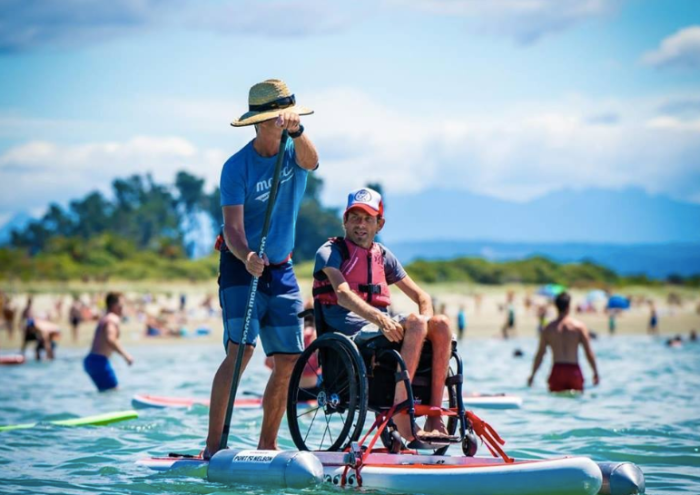
Train travel can be a convenient and enjoyable way to explore new places, but for passengers with accessibility needs, careful planning and preparation are essential for a smooth journey. This guide provides information on navigating train stations, utilizing onboard accessibility features, booking accessible tickets, and managing international train travel, all while keeping accessibility in mind. We’ll cover key aspects to ensure a comfortable and inclusive travel experience.
Booking Accessible Train Tickets and Requesting Assistance
Booking accessible train tickets often requires advance planning. Most major train companies offer online booking systems with options to specify accessibility requirements. When booking, clearly indicate your specific needs, such as wheelchair access, assistance with boarding, or the need for a designated accessible seating area. Contact the train company directly to confirm your booking and arrange any necessary assistance, such as wheelchair assistance at stations or onboard.
Providing ample notice, ideally several weeks in advance, will significantly increase the likelihood of receiving the support you need. Remember to retain confirmation numbers and details of your booking for easy reference throughout your journey. In some cases, you may need to provide medical documentation to justify your need for specific assistance.
Navigating Train Stations
Navigating train stations can present challenges for accessible travelers. Many stations offer accessibility features such as ramps, elevators, accessible restrooms, and tactile paving for visually impaired passengers. However, the availability and condition of these features can vary significantly between stations and even between different train companies. Before your journey, check the accessibility information available on the train company’s website or through their customer service.
This may include station maps highlighting accessible routes and facilities. Familiarize yourself with the layout of the station, identifying the locations of accessible entrances, platforms, and waiting areas. Consider using a navigation app with accessibility features to assist in route planning within the station.
Onboard Accessibility Features and Tips
Modern train carriages typically include designated accessible seating areas with ample space for wheelchairs or other mobility devices. These areas may also have features such as accessible restrooms and priority boarding. However, the availability and specifics of these features can vary depending on the train type and the train company. Check the train company’s website for details about the accessibility features on your specific train.
When boarding, inform the train staff of your accessibility needs to ensure you are assisted with finding your seat and receiving any necessary assistance during the journey. If you require assistance with luggage or other needs, don’t hesitate to ask the train staff for help.
Navigating Different Train Systems Internationally
International train travel presents unique accessibility challenges due to variations in train systems, accessibility standards, and language barriers. Before traveling internationally by train, research the accessibility features and policies of the specific train companies and countries you will be traveling through. Consider using online resources and accessibility guides specific to the countries you will visit. If you require assistance, it is crucial to contact the train companies in advance to arrange support, translating your needs if necessary.
It is also wise to prepare a document outlining your accessibility requirements in multiple languages. Learning a few key phrases in the local language can also be beneficial in communicating your needs.
Cruise Ship Reviews focusing on Accessibility
Choosing a cruise can be an exciting adventure, but for travelers with disabilities, careful consideration of accessibility features is paramount. This section provides reviews of various cruise lines, comparing their accessibility provisions and sharing experiences from accessible cruising, both positive and negative. We aim to help you make an informed decision for your next voyage.
Accessibility on cruise ships varies significantly between lines and even between ships within the same line. Factors such as the age of the vessel, recent renovations, and the overall commitment of the cruise line to accessibility all play a role. While many lines advertise accessibility features, the reality of the experience can differ, highlighting the importance of thorough research and potentially contacting the cruise line directly with specific questions about your needs.
Accessibility Features Offered by Different Cruise Lines
Several cruise lines have made significant strides in improving accessibility, while others lag behind. For instance, some lines offer a wide range of accessible cabins with features like roll-in showers, lowered counters, and wider doorways. Others may offer fewer accessible cabins, or those cabins may lack some essential features. The availability of accessible excursions and onboard amenities also varies considerably.
Some lines provide detailed accessibility information on their websites, while others offer limited information, making it difficult for potential passengers to assess suitability.
Examples of Accessible Cruise Line Experiences
One passenger reported a largely positive experience with Royal Caribbean, noting the availability of accessible cabins, ramps throughout the ship, and helpful staff. However, they also mentioned that some public restrooms were not fully accessible. Conversely, another passenger described a less positive experience with a different line, citing difficulties navigating the ship due to a lack of ramps and insufficient accessible cabin options.
These experiences underscore the importance of researching specific ships and lines carefully, as even within the same cruise line, accessibility can vary.
List of Cruise Lines Known for Strong Accessibility Provisions
It’s important to note that accessibility features and services can change, so always verify directly with the cruise line before booking.
- Royal Caribbean International: Often praised for its accessible cabins and onboard amenities.
- Carnival Cruise Line: Offers a range of accessible cabins and services, though the quality can vary depending on the ship.
- Disney Cruise Line: Generally well-regarded for its commitment to accessibility, with many accessible cabins and amenities.
- Norwegian Cruise Line: Provides accessible cabins and some accessible amenities, but reviews vary in terms of the consistency of accessibility across its fleet.
- Princess Cruises: Offers accessible cabins and services, but the level of accessibility can vary depending on the specific ship.
Road Trip Guides for Accessible Travel
Planning an accessible road trip requires careful consideration of various factors to ensure a smooth and enjoyable journey for everyone. This guide provides essential information and tips for making your accessible road trip a success, from route planning to navigating roadside services. Remember that thorough planning is key to a comfortable and memorable experience.
Route Planning and Accommodation Considerations
Before embarking on your road trip, meticulous route planning is crucial. Utilize online mapping tools that allow you to filter for accessibility features, such as wheelchair-accessible restrooms at rest stops and accessible accommodations along your chosen route. Consider the distances between stops, factoring in potential fatigue and the need for frequent breaks. When booking accommodations, confirm accessibility features directly with the hotel or lodging provider.
Don’t rely solely on online descriptions; verify the availability of features such as ramps, roll-in showers, and appropriately sized doorways. Look for hotels with certified accessibility ratings or positive reviews from other accessible travelers. Pre-booking accommodations is highly recommended, especially during peak travel seasons.
Accessibility Features of Rental Vehicles and the Rental Process
Several rental car companies offer accessible vehicles, including those with hand controls, ramps, or lifts. When booking, clearly specify your accessibility needs. It’s advisable to reserve your vehicle well in advance to ensure availability. Upon picking up your vehicle, thoroughly inspect it to confirm that all requested accessibility features are present and in working order. Familiarize yourself with the operation of any specialized equipment before starting your journey.
Contact the rental company immediately if you encounter any issues. Some companies offer training on how to use the vehicle’s accessibility features.
Navigating Accessible Rest Stops and Roadside Services
Rest stops along major highways vary in their accessibility features. While many are equipped with accessible restrooms and parking spaces, the quality and availability of these features can differ. Utilize online resources and mobile apps to identify rest stops with verified accessibility information. When planning your stops, allow extra time for navigating potential challenges. For roadside assistance, ensure your chosen provider is familiar with handling accessible vehicles and can offer appropriate support.
Consider carrying a list of emergency contacts and accessible service providers in case of unforeseen circumstances.
Examples of Accessible Road Trip Itineraries
A well-planned accessible road trip itinerary considers not only the destinations but also the accessibility of each location. For example, a trip along the California coast could include stops in accessible sections of national parks, such as the accessible trails in Yosemite National Park (specific trails vary in accessibility; check park websites for details). Similarly, a trip through the American Southwest could incorporate visits to national monuments with accessible visitor centers and viewpoints, though always verify accessibility details beforehand.
Remember to research each stop thoroughly, checking for accessible parking, restrooms, and entryways. A trip along the East Coast could include visits to cities like Boston or New York, where many historical sites and attractions offer accessible routes and facilities (again, always verify accessibility features directly with the site before visiting). The key is to create an itinerary that balances your travel desires with the reality of accessible options.
Budget Accommodation Tips for Accessible Travel
Finding affordable accessible accommodation can seem daunting, but with careful planning and the right resources, it’s entirely achievable. This section offers strategies for securing budget-friendly options without compromising on accessibility needs. Remember, prioritizing accessibility doesn’t mean sacrificing affordability.
Many travelers assume that accessible rooms automatically mean higher prices. While this can sometimes be true, particularly in luxury hotels, there are many ways to find affordable accessible options. By understanding where to look and what to prioritize, you can significantly reduce accommodation costs without sacrificing the comfort and convenience of accessible features.
Utilizing Specialized Websites and Apps
Several websites and apps specialize in connecting travelers with accessible budget accommodations. These platforms often feature filters for accessibility features, allowing you to easily narrow your search based on your specific needs (e.g., roll-in showers, ramps, wide doorways). Using these resources can save considerable time and effort compared to manually searching through numerous hotel listings. Examples include specialized travel agencies focusing on accessible tourism and online booking platforms with robust accessibility filters.
These platforms often highlight properties with verified accessibility features, reducing the risk of encountering inaccurate information.
Maximizing Value When Booking Accessible Accommodations
To maximize value, consider traveling during the off-season or shoulder season. Prices are typically lower during these periods, and you may find better deals on accessible rooms. Booking in advance can also secure better rates, especially for popular destinations. Consider flexible dates; shifting your travel plans by a few days can sometimes unlock significant savings. Look for package deals that combine accommodation with other travel services, such as flights or transportation.
Lastly, always check for discounts offered to seniors, students, or members of specific organizations.
Resources for Finding Affordable Accessible Travel Options
Finding affordable accessible travel options requires a multifaceted approach. Here are some key resources:
The following list Artikels various resources that can assist in finding budget-friendly, accessible travel accommodations:
- Accessible Travel Agencies: These agencies specialize in arranging accessible trips and often have access to discounted rates and exclusive deals on accessible accommodations.
- Online Travel Agencies (OTAs) with Accessibility Filters: Many major OTAs now include accessibility filters in their search functions, making it easier to find suitable accommodations.
- Accessible Accommodation Directories: Several websites and organizations maintain directories of accessible accommodations, often categorized by location and accessibility features.
- Social Media Groups and Forums: Online communities dedicated to accessible travel often share tips, recommendations, and deals on budget-friendly accessible accommodations.
- Local Tourism Boards: Contacting local tourism boards can provide information on accessible accommodations in specific areas, including those that may not be widely advertised online.
Vacation Rentals and Airbnb Accessibility
Vacation rentals and Airbnb offer a potentially wider range of accommodation options for accessible travel compared to traditional hotels. However, the level of accessibility varies significantly from property to property, requiring careful vetting before booking. This section will explore the accessibility features available, methods for verifying accessibility, and share experiences to help accessible travelers make informed choices.
Accessibility Features Offered by Vacation Rentals and Airbnb
Many vacation rentals and Airbnb listings boast accessibility features, though their presence and quality are not always consistent. Some common features include wheelchair-accessible entrances (ramps or elevators), adapted bathrooms with roll-in showers or grab bars, wider doorways, lowered countertops and kitchen appliances, and accessible sleeping arrangements. Some hosts even provide specialized equipment like adjustable beds or shower chairs upon request.
However, it’s crucial to remember that the descriptions provided are often subjective and may not accurately reflect the reality on the ground. Detailed photographs and verified reviews are essential for accurate assessment.
Verifying Accessibility Before Booking a Vacation Rental
Before committing to a booking, thorough verification is crucial. Start by carefully reviewing the listing description, paying close attention to any details regarding accessibility. Look for specific mentions of features like ramps, grab bars, and wheelchair-accessible entrances. Don’t rely solely on the description; examine the photographs carefully. High-quality photos showing the relevant areas – bathrooms, doorways, bedrooms – are invaluable.
Read reviews from previous guests, specifically focusing on comments about accessibility. Look for reviews mentioning specific accessibility features and their functionality. Consider contacting the host directly to ask detailed questions about accessibility features not clearly described or pictured. Confirm the dimensions of doorways, the height of countertops, and the type of shower. If possible, request a video tour of the property.
Experiences Using Vacation Rentals and Airbnb for Accessible Travel
Many travelers with disabilities have successfully used vacation rentals and Airbnb for accessible travel. For example, a wheelchair user recently rented a beachfront property with a ramped entrance, wide doorways, and a roll-in shower, which greatly enhanced their vacation experience. In contrast, another traveler encountered difficulties in a property advertised as accessible, discovering upon arrival that the ramp was too steep and the bathroom was not fully adapted.
These varied experiences highlight the importance of thorough pre-booking verification.
Checklist for Evaluating Accessibility of a Vacation Rental or Airbnb Property
To ensure a smooth and comfortable stay, use the following checklist:
- Entrance: Is there a ramp or accessible entrance? What is its slope? Is there an elevator?
- Doorways: Are doorways wide enough for a wheelchair or other mobility device?
- Bathroom: Is there a roll-in shower or adapted bathroom? Are there grab bars? Is the toilet height appropriate?
- Bedrooms: Is the bed height suitable? Is there enough space to maneuver around the bed?
- Kitchen: Are countertops and appliances at an accessible height?
- Living Area: Is there sufficient space for maneuvering a wheelchair or other mobility device?
- Other Features: Are there any other accessibility features mentioned (e.g., hearing loop, visual alert systems)?
Remember to carefully examine photographs, read reviews, and contact the host with any questions before booking. Thorough pre-booking research will significantly improve the chances of a successful and enjoyable accessible travel experience.
Hotel Reviews and Tips focusing on Accessibility
Finding a hotel that truly caters to accessibility needs can be challenging. This section provides reviews and tips to help travelers with disabilities plan their stays more effectively, focusing on features beyond basic ADA compliance. We’ll examine various hotel chains, share personal experiences, and offer a curated list of hotels known for their exceptional accessibility provisions.
Hotel Chain Accessibility Comparisons
Major hotel chains often advertise accessibility features, but the reality can vary significantly. For instance, while Marriott often boasts accessible rooms, the specific features available can differ widely between properties, even within the same brand. Hilton’s accessibility offerings are generally considered robust, but careful pre-booking verification is crucial. Budget chains may offer fewer amenities, and independent hotels often present a mixed bag in terms of consistency and quality of accessible features.
Thorough research using online booking platforms’ accessibility filters and contacting the hotel directly is highly recommended.
Accessible Hotel Room Experiences
One traveler reported a positive experience at a Hyatt Regency, noting the spacious accessible room, well-placed grab bars in the bathroom, and a roll-in shower that was both easy to use and safe. However, another guest at a different hotel chain described a frustrating experience with an accessible room that had a poorly designed ramp leading to a steep incline to the entrance.
Another example involves a situation where a hotel advertised an accessible room, but the advertised features were inaccurate or not functional upon arrival. These experiences highlight the importance of confirming accessibility details directly with the hotel and, if possible, reviewing recent guest feedback specifically mentioning accessibility features.
List of Hotels Known for Strong Accessibility Provisions
Finding hotels with excellent accessibility requires diligence. Many hotels strive for accessibility, but some go above and beyond. The following list is not exhaustive, and specific features may vary by location. Always verify details directly with the hotel before booking.
- Wyndham Hotels & Resorts: Often receives positive feedback for its commitment to accessible room design and provision of appropriate equipment.
- Best Western Hotels & Resorts: Many Best Western locations have made significant investments in accessible room amenities and services.
- Hyatt Hotels Corporation: Known for offering a range of accessible room options and frequently exceeding minimum accessibility standards.
RV and Camper Travel Accessibility
RV and campervan travel offers a unique sense of freedom and adventure, but for travelers with disabilities, navigating this mode of transportation can present significant challenges. Accessibility features are not always standard, and modifications may be necessary to ensure a comfortable and safe journey. This section explores the accessibility issues faced by disabled travelers using RVs and campers, potential solutions, and planning considerations for accessible RV trips.
Accessibility Challenges in RV and Camper Travel
Many RVs and campers lack the built-in accessibility features found in some hotels or other forms of transportation. Common challenges include narrow doorways and hallways, high beds and seating, limited bathroom space and maneuverability, and a lack of grab bars and ramps. These issues can create significant barriers for wheelchair users, individuals with mobility impairments, and those with other disabilities.
The size and weight of RVs also present challenges for some travelers, requiring specific driving skills and potentially limiting access to certain campsites and locations.
Modifying RVs and Campers for Improved Accessibility
Adapting an RV or campervan to improve accessibility is often feasible and can greatly enhance the travel experience for individuals with disabilities. Modifications can range from simple additions, such as grab bars and ramps, to more extensive renovations, including lowering countertops, widening doorways, and installing a wheelchair-accessible bathroom. Consider consulting with accessibility specialists or adaptive equipment suppliers to determine the best modifications for your specific needs and budget.
For example, a hydraulic lift can provide easier access to higher areas like beds, while a roll-in shower can replace a standard shower/tub combination for improved accessibility.
Examples of Accessible RV and Camper Van Designs
Several companies now specialize in designing and manufacturing accessible RVs and campervans. These designs often incorporate features like wider doorways, lowered floors, wheelchair-accessible bathrooms with roll-in showers and grab bars, and ramps or lifts for easier entry. Some manufacturers offer customizable options, allowing users to select specific features to meet their individual needs. Imagine a campervan with a fully accessible bathroom featuring a roll-in shower, grab bars strategically placed throughout the vehicle, and a lowered kitchen counter for easy access from a wheelchair.
This would offer a high level of independence and comfort for travelers with mobility limitations. Another example is an RV with a hydraulic lift platform, which smoothly raises and lowers a wheelchair user to their sleeping area, eliminating the need for difficult maneuvering.
Planning Accessible RV and Camper Trips
Careful planning is essential for ensuring a successful and enjoyable accessible RV trip. This includes researching accessible campsites and RV parks, which may offer features such as accessible restrooms and shower facilities, level campsites for easier access, and wider spaces for maneuvering. It’s also important to plan routes that avoid steep inclines and challenging terrain. Before embarking on the journey, confirm the accessibility of planned destinations, including restaurants, attractions, and other points of interest.
Consider the availability of accessible transportation options at your destinations. For instance, ensure that the chosen campsite offers level access to all facilities and that nearby attractions are accessible or offer alternative arrangements. Thoroughly research any planned activities to ensure they are suitable for your needs and limitations. Pre-booking campsites and attractions is also highly recommended to secure accessible spaces.
Unique Stays and Treehouses
Unique accommodations, such as treehouses and other unusual lodgings, offer a memorable travel experience. However, accessibility for travelers with disabilities often presents significant challenges in these settings. This section explores the accessibility considerations for unique stays, focusing on treehouses as a prime example, and provides guidance on finding and booking accessible options.
Accessibility Challenges in Unique Accommodations
Treehouses, by their very nature, pose unique accessibility problems. Traditional treehouse designs often involve stairs, uneven surfaces, and narrow walkways, presenting significant barriers for wheelchair users, individuals with mobility impairments, or those with other disabilities. Furthermore, the inherent remoteness of many treehouse locations can complicate access, particularly for those requiring specialized transportation or assistance. Other unique stays, such as yurts, cabins in remote locations, or converted barns, can present similar challenges related to limited maneuverability, uneven flooring, and lack of adapted facilities.
Examples of Accessible Unique Stays
While many unique accommodations lack accessibility features, a growing number of providers are recognizing the need for inclusivity. Some examples include treehouses built with ramps and elevators, ensuring level access to all areas. Other accessible unique stays might feature ground-floor cabins with wide doorways and adapted bathrooms, or yurts with modifications to facilitate wheelchair access. These accommodations often advertise their accessibility features prominently on their websites and booking platforms.
Imagine a treehouse with a gently sloping ramp leading to a spacious platform, complete with wide doorways and grab bars in the bathroom. This contrasts sharply with the typical image of a treehouse accessible only via a steep, narrow staircase.
Tips for Finding and Booking Accessible Unique Accommodations
Finding accessible unique accommodations requires proactive searching and careful vetting. Begin by using specific s like “accessible treehouse,” “wheelchair-friendly cabin,” or “ADA-compliant yurt” in your online searches. Thoroughly review the accommodation’s website for detailed accessibility information, including photos and descriptions of the access routes, doorways, bathrooms, and other relevant features. Contact the accommodation directly to discuss your specific needs and confirm the accessibility features are suitable for your requirements.
Don’t hesitate to ask for additional photos or videos showcasing the accessible features. Booking platforms often allow you to filter search results based on accessibility features, but always double-check the specifics with the provider.
Planning a Trip with Accessible Unique Stays
Planning a trip incorporating accessible unique stays requires careful consideration of various factors. Research potential destinations well in advance to ensure the availability of suitable accommodations. Factor in travel time and accessibility of transportation to and from the unique stay. Consider the terrain and accessibility of surrounding areas if you plan on exploring the local environment. Arrange for any necessary support services, such as personal assistance or specialized transportation, well in advance of your trip.
Always confirm accessibility details with the accommodation provider closer to your travel dates to account for any potential changes or updates. Packing appropriate mobility aids and any necessary medical supplies is crucial for a smooth and enjoyable trip.
Houseboat and Yacht Stays
Houseboat and yacht vacations offer unique experiences, but accessibility for travelers with disabilities can be a significant concern. The inherent design of these vessels, often featuring narrow walkways, steep stairs, and limited maneuverability, presents challenges not found in typical land-based accommodations. However, with careful planning and consideration, accessible houseboat and yacht stays are achievable. This section explores the accessibility considerations, solutions, and resources available to ensure an enjoyable and inclusive vacation experience.
Accessibility Challenges and Solutions in Houseboat and Yacht Stays
Many houseboats and yachts lack features crucial for accessibility. Narrow doorways, steep steps leading to cabins or decks, and the absence of ramps or elevators pose significant challenges for wheelchair users and individuals with mobility impairments. Bathrooms may lack grab bars, roll-in showers, or sufficient space for maneuvering. Furthermore, the potential for motion sickness on the water adds another layer of complexity for some travelers with disabilities.
Solutions include seeking out vessels specifically designed with accessibility features, such as wider doorways, ramps, and adapted bathrooms. Rental companies that prioritize accessibility often provide detailed information on the specific features available on their vessels. Careful pre-booking communication with the rental company is essential to confirm accessibility features and to discuss any specific needs.
Examples of Accessible Houseboats and Yachts
While the number of explicitly advertised “accessible” houseboats and yachts is still limited, several companies are increasingly incorporating accessibility features into their offerings. For example, some charter companies are retrofitting existing vessels with ramps and adapted bathrooms. Others are constructing new vessels with accessibility in mind from the outset, integrating features such as wider hallways, lowered countertops, and accessible shower facilities.
Specific examples of accessible houseboats and yachts would need to be sourced directly from rental companies, as this information is not consistently centralized. It is crucial to thoroughly investigate the accessibility features of any vessel before booking.
Tips for Finding and Booking Accessible Houseboat and Yacht Accommodations
Finding accessible houseboat and yacht accommodations requires proactive research and clear communication. Start by contacting rental companies directly, clearly outlining your accessibility requirements. Request detailed information about the vessel’s layout, including dimensions of doorways, walkways, and bathrooms. Inquire about the presence of ramps, grab bars, and other accessibility features. Check online reviews to see if other travelers with disabilities have shared their experiences.
Remember that photographs and virtual tours can be misleading, so always confirm accessibility features directly with the rental company. Booking through reputable companies with a strong commitment to accessibility can help mitigate potential issues.
Planning an Accessible Houseboat and Yacht Vacation
Planning an accessible houseboat or yacht vacation requires careful consideration of various factors. First, choose a location with calm waters, minimizing the risk of motion sickness. Research the accessibility of the marina and surrounding areas, ensuring easy access to shore facilities. Pack any necessary mobility aids, such as wheelchairs, walkers, or other assistive devices. Consider bringing any medications or supplies you might need.
Plan for potential challenges, such as navigating narrow walkways or transferring between the vessel and shore. Finally, communicate your needs and preferences clearly with the rental company and any other relevant parties involved in your trip. A well-planned trip can minimize potential challenges and maximize the enjoyment of an accessible houseboat or yacht vacation.
Planning an accessible trip should be exciting, not daunting. By understanding the resources available and advocating for inclusive practices, we can ensure everyone has the opportunity to travel and explore the world. This guide serves as a starting point for your journey, equipping you with the knowledge and tools to plan a truly accessible and unforgettable adventure. Remember, accessible travel is not just about physical accommodations; it’s about creating a welcoming and inclusive experience for all.
Essential Questionnaire
What are some common accessibility challenges faced by travelers with disabilities?
Common challenges include navigating inaccessible transportation, finding suitable accommodations, accessing information about accessible attractions, and securing necessary assistance.
How can I find accessible transportation options?
Many airlines, train companies, and transportation services offer accessible options. Contact them directly to inquire about specific needs and make necessary arrangements in advance.
Are there any resources for finding accessible accommodations?
Yes, several websites and apps specialize in listing accessible hotels, vacation rentals, and other accommodations. Look for those that offer detailed accessibility information and user reviews.
What should I do if I encounter accessibility issues during my trip?
Document the issue and contact the relevant service provider immediately. Consider contacting consumer protection agencies or disability advocacy groups if necessary.