Best travel gear for kids is crucial for smooth and enjoyable family trips. Planning ahead with the right equipment can transform stressful journeys into memorable adventures. This guide covers everything from selecting the perfect backpack to ensuring your child’s comfort and safety throughout your travels, offering practical tips and essential advice for parents.
We’ll delve into the specifics of choosing age-appropriate backpacks, packing efficient clothing, assembling a comprehensive first-aid kit, and selecting engaging entertainment for those long journeys. We’ll also explore ways to prioritize safety and comfort, considering various modes of transportation and accommodation options. The goal is to equip you with the knowledge to make informed decisions and ensure a fantastic vacation for the whole family.
Best Backpacks for Kids
Choosing the right backpack for your child is crucial for their comfort and health. A poorly fitting or overloaded backpack can lead to back pain, poor posture, and even long-term musculoskeletal problems. This section will guide you through selecting a backpack that prioritizes ergonomics and suitability for your child’s age and size.
Backpack Features Comparison for Different Age Groups
Selecting a backpack involves considering several key features. The size, weight, material, and number of compartments should all be tailored to your child’s age and needs. The following table provides a comparison of suitable backpacks for different age groups. Remember that these are guidelines, and individual needs may vary.
| Age Group | Size (approx. Liters) | Weight (approx. kg) | Material | Compartments |
|---|---|---|---|---|
| Preschool (3-5 years) | 5-10 | 0.5-1 | Lightweight, durable nylon or polyester | 1-2 main compartments, small front pocket |
| Early Elementary (6-8 years) | 10-15 | 1-1.5 | Durable nylon or polyester, water-resistant | 2-3 main compartments, side pockets, front pocket |
| Late Elementary/Middle School (9-12 years) | 15-25 | 1.5-2 | Durable, water-resistant nylon or polyester, possibly padded | Multiple compartments, including laptop sleeve (optional), organizer pockets |
| High School (13-18 years) | 25-35+ | 2-3+ | High-quality, durable, water-resistant nylon or polyester, often with reinforced stitching | Multiple compartments, dedicated laptop sleeve, organizational pockets, potentially external straps for sports equipment |
Ergonomic Backpack Features for Children
Ergonomic design is paramount in a child’s backpack. Features that promote proper posture and weight distribution minimize strain on the developing spine. These include:
Padded shoulder straps: Wide, padded shoulder straps distribute weight evenly across the shoulders, preventing pressure points and discomfort. Contoured straps further enhance comfort and fit. Adjustable straps allow for a customized fit to the child’s body.
Adjustable sternum strap: This strap connects the two shoulder straps at the chest, stabilizing the backpack and preventing it from swinging. This is particularly beneficial for heavier backpacks.
Padded back panel: A well-padded back panel provides cushioning and airflow, keeping the back cool and comfortable. Some backpacks incorporate mesh panels for enhanced ventilation.
Waist belt (for older children): A waist belt transfers some of the weight to the hips, relieving pressure on the shoulders and back. This is especially helpful for heavier loads carried by older children.
Lightweight materials: Opt for backpacks made from lightweight yet durable materials such as nylon or polyester. The lighter the backpack itself, the less overall weight your child has to carry.
Appropriate Weight Capacity for Children
The weight of a child’s backpack should never exceed 10-15% of their body weight. For example, a child weighing 30kg should not carry a backpack weighing more than 3-4.5kg. Exceeding this limit can lead to postural problems, back pain, and other health issues. It’s crucial to regularly check the backpack’s weight and encourage children to pack only essential items.
Consider using a luggage scale to monitor the weight. Teaching children to pack efficiently and prioritize what they need is an important life skill.
Essential Travel Clothing for Kids
Packing for a family trip can feel overwhelming, especially when it comes to children’s clothing. Successfully navigating diverse climates and unpredictable activities requires careful planning and a strategic approach to packing. This section will guide you through selecting essential clothing items for a week-long trip, while emphasizing efficient packing techniques to minimize luggage and maximize comfort.Choosing the right clothing is crucial for a smooth and enjoyable family vacation.
The right fabrics and items can mean the difference between a comfortable, happy child and a cranky, overheated (or chilled) one. Prioritizing versatility and functionality will help reduce the overall number of items you need to pack.
Essential Clothing Items for a Week-Long Trip
To ensure your child is prepared for various weather conditions and activities, consider packing a versatile selection of clothing items. This list considers both warm and cool climates, and incorporates options for different activities, from sightseeing to playtime.
- Tops: 4-5 t-shirts (short and/or long-sleeved depending on climate), 1-2 lightweight long-sleeved shirts for sun protection or cooler evenings.
- Bottoms: 2-3 pairs of comfortable pants or shorts (depending on climate), 1 pair of leggings or joggers for cooler weather.
- Outerwear: 1 lightweight jacket or fleece (even in warm climates, evenings can get cool), 1 waterproof and windproof jacket (for unpredictable weather).
- Underwear and Socks: 7 pairs of underwear and socks (consider moisture-wicking fabrics).
- Pajamas: 1-2 pairs of comfortable pajamas.
- Swimsuit: 1-2 swimsuits (depending on planned water activities).
- Hat: A wide-brimmed hat for sun protection.
- Shoes: 1 pair of comfortable walking shoes, 1 pair of sandals or flip-flops (if appropriate).
Tips for Packing Light and Efficiently
Packing light for kids’ clothing is a skill that improves with practice. Here are some effective strategies to minimize luggage and maximize space:
- Roll, Don’t Fold: Rolling clothes saves space and minimizes wrinkles.
- Choose Versatile Items: Select clothing items that can be mixed and matched to create multiple outfits.
- Layer Clothing: Layering allows for adaptation to changing temperatures.
- Utilize Packing Cubes: Packing cubes help organize and compress clothing.
- Limit Shoes: Choose versatile shoes that can be worn for various activities.
- Do Laundry on the Go: If possible, plan to do laundry during your trip to reduce the amount of clothing you need to pack.
Benefits of Quick-Drying and Wrinkle-Resistant Fabrics
Quick-drying and wrinkle-resistant fabrics are invaluable for kids’ travel clothing. These fabrics offer significant advantages:
- Quick Drying: Quick-drying fabrics are essential for preventing damp and uncomfortable clothing, especially after unexpected spills or water activities. This is particularly important in humid climates or when laundry facilities are limited. For example, a child who falls in a puddle while exploring will be much more comfortable in quick-drying clothing than in cotton.
- Wrinkle Resistance: Wrinkle-resistant fabrics maintain a neat appearance even after being packed and unpacked multiple times. This means less ironing and more time for family fun. Imagine the ease of unpacking wrinkle-free clothing after a long journey versus spending time ironing.
Travel-Friendly Toiletries and First-Aid Kits for Kids
Packing for a family trip can be a logistical challenge, but ensuring your children’s comfort and safety is paramount. A well-stocked first-aid kit and a selection of travel-sized toiletries are essential components of any successful family adventure. Careful planning in these areas can minimize stress and maximize enjoyment during your travels.
Creating a Child-Friendly First-Aid Kit
A comprehensive first-aid kit tailored for children should address common travel-related ailments and minor injuries. It’s crucial to remember that the contents should be age-appropriate and stored securely.
- Pain Relief: Age-appropriate doses of ibuprofen or acetaminophen for fever and pain. Always check the dosage instructions carefully and consult your pediatrician if unsure.
- Antihistamine: For allergic reactions, choose a children’s version of diphenhydramine or cetirizine. Always follow the package directions for dosage.
- Antiseptic Wipes or Cream: For cleaning minor cuts and scrapes. Opt for alcohol-free options to avoid stinging.
- Bandages: A variety of sizes and types, including adhesive bandages, fabric bandages, and blister plasters.
- Anti-diarrheal Medication: Consult your doctor about an appropriate medication for children suffering from diarrhea. This should only be used under medical advice.
- Motion Sickness Medication: If prone to motion sickness, pack a suitable medication for children, always consulting your doctor or pharmacist for appropriate dosage.
- Tweezers and Scissors: For removing splinters or cutting bandages.
- Thermometer: A digital thermometer is ideal for quick and accurate temperature readings.
Packing Travel-Sized Toiletries for Children
Choosing eco-friendly and travel-sized toiletries minimizes waste and ensures compliance with airline regulations regarding liquid carry-on allowances.
- Shampoo and Conditioner: Opt for travel-sized containers or solid shampoo and conditioner bars, reducing plastic waste.
- Soap: A travel-sized bar of soap or a solid soap alternative is convenient and reduces plastic packaging.
- Toothpaste and Toothbrush: Travel-sized tubes of toothpaste are widely available. Consider a bamboo toothbrush for an eco-friendly option.
- Sunscreen: Choose a broad-spectrum, high-SPF sunscreen in a travel-sized container. Ensure it is reef-safe if visiting coastal areas.
- Moisturizer: A small container of unscented moisturizer can help combat dry skin, especially in different climates.
- Insect Repellent: Choose a child-safe, DEET-free option in a travel-sized container. Always follow the label instructions.
- Wet Wipes: Convenient for quick cleanups, especially when handwashing facilities are limited.
Airline Regulations for Liquids and Gels
When packing liquids and gels in carry-on luggage, adhere to Transportation Security Administration (TSA) regulations. Generally, liquids must be in containers of 3.4 ounces (100ml) or less and fit inside a single, quart-sized, clear, plastic, zip-top bag. This bag should be easily accessible for security screening. Larger containers of toiletries should be packed in checked luggage. It’s advisable to check the most up-to-date TSA guidelines before your trip, as regulations may occasionally change.
Entertainment and Activity Items for Kids on the Go
Keeping children entertained during travel, especially on long journeys, is crucial for a smooth and enjoyable trip for the whole family. Boredom can quickly escalate into frustration and tantrums, so proactive planning is key. A well-stocked travel entertainment bag can be a lifesaver, transforming potential travel woes into opportunities for fun and learning.Engaging children with age-appropriate activities not only keeps them occupied but also fosters their development and encourages creativity.
The key is to choose items that are lightweight, compact, and easy to manage within the confines of a moving vehicle or airplane. A balance of educational and recreational options is ideal to cater to various moods and energy levels.
Educational and Engaging Travel Activities for Children
Providing a mix of stimulating activities is essential for keeping kids engaged during travel. This can range from quiet, focused activities to more interactive games that encourage participation and social interaction.
- Audiobooks and Podcasts: Engaging stories and educational podcasts can captivate children for extended periods, especially during car rides. Choose age-appropriate content that aligns with their interests, such as fantasy adventures, historical narratives, or science-focused programs.
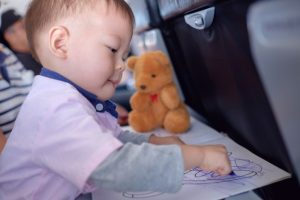
- Travel Journals and Drawing Supplies: Encourage creativity and reflection by providing a travel journal and drawing materials. Children can document their experiences, sketch landscapes, or create stories inspired by their journey. A small, lightweight sketchbook and a set of colored pencils are ideal.
- Interactive Games and Puzzles: Pack travel-sized board games, card games, or puzzles that can be played individually or with siblings or parents. These provide opportunities for interaction and friendly competition, helping to pass the time pleasantly.
- Learning Apps and Educational Games: Many educational apps and games are designed to be engaging and educational for children of various ages. These can be accessed on tablets or smartphones, providing a convenient and stimulating activity.
- Storytelling and Creative Writing Prompts: Encourage storytelling by providing creative writing prompts or starting a collaborative story. This can spark imagination and language development, transforming travel time into a creative experience.
Lightweight and Portable Entertainment Options
Choosing lightweight and portable items is crucial for maximizing space and minimizing the burden of carrying entertainment supplies. This ensures that the travel experience remains comfortable and manageable for both parents and children.
- Lightweight Books: Choose board books for younger children or paperback books for older children. Select titles that are engaging and age-appropriate. Consider a mix of genres to cater to different moods.
- Small Travel Games: Magnetic travel games, card games, or small puzzles are ideal for keeping children entertained in confined spaces. They are compact and easy to store.
- Tablets Loaded with Entertainment: Tablets offer a wide range of entertainment options, from educational apps to movies and games. Ensure the tablet is fully charged before travel and consider downloading content beforehand to avoid relying on Wi-Fi connectivity.
- Audio Players with Headphones: Audio players loaded with audiobooks, podcasts, or music can provide hours of entertainment. Headphones are essential for avoiding disturbing others during travel.
Strategies for Maintaining Children’s Engagement During Travel Downtime
Maintaining a child’s engagement throughout a journey requires a multifaceted approach, blending planned activities with spontaneous interactions and flexibility.
A well-structured schedule that incorporates planned activity breaks can prevent boredom. For instance, allocating specific time slots for reading, playing games, or engaging with educational apps helps to maintain a sense of routine and structure. This can be particularly beneficial for younger children who thrive on predictability. However, flexibility is also crucial. Being prepared to deviate from the plan, responding to a child’s changing interests and moods, is key to preventing frustration and ensuring a positive travel experience.
Incorporating interactive elements into travel activities can greatly enhance engagement. For example, playing “I Spy” during a car journey, creating a collaborative travel journal, or engaging in storytelling sessions can transform downtime into opportunities for bonding and interaction. Moreover, involving children in the travel planning process itself can generate excitement and anticipation, fostering a sense of ownership and participation in the journey.
Safe and Comfortable Travel Accessories for Kids
Ensuring your child’s safety and comfort during travel is paramount. The right accessories can significantly reduce stress and enhance the overall travel experience for both parents and children. From minimizing discomfort to maximizing safety, thoughtful choices in travel accessories are invaluable.Selecting appropriate accessories contributes to a more relaxed and enjoyable trip for everyone involved. Well-chosen items can prevent many potential travel hassles and ensure your child’s well-being throughout the journey.
Child-Sized Travel Pillows and Blankets
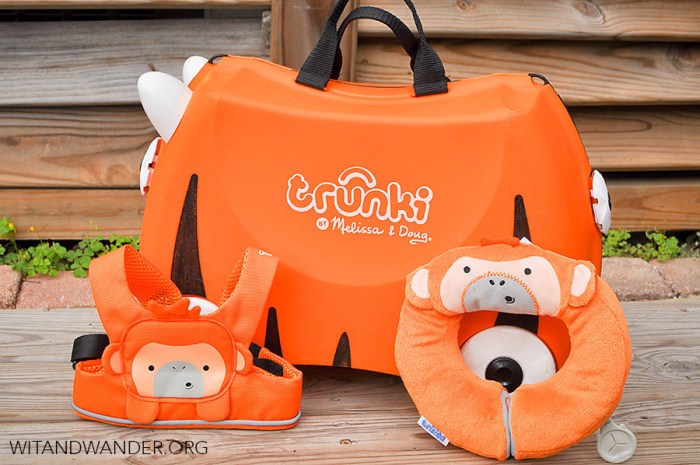
Child-sized travel pillows and blankets offer significant benefits for young travelers. Travel pillows, specifically designed for children, provide neck and head support, crucial for comfortable sleeping on planes, trains, or in cars. These pillows often feature fun designs and soft, comfortable materials, encouraging better sleep and reducing the likelihood of neck pain or stiffness. Similarly, a child-sized blanket provides warmth and comfort, particularly on chilly flights or overnight journeys.
The right size ensures the blanket is manageable for the child and doesn’t become a tripping hazard. The use of soft, breathable materials helps regulate body temperature and promotes restful sleep.
Child Safety Restraints During Transportation
The use of appropriate child safety restraints is non-negotiable for safe travel in any mode of transportation. In cars, car seats are essential, with the type of seat (infant, convertible, booster) dependent on the child’s age and weight, following manufacturer guidelines and local regulations. On airplanes, children should be appropriately secured in their seats with the seatbelt. For trains and buses, depending on the child’s age and size, a seatbelt or a suitable car seat (if space allows) should be used.
Using these restraints significantly reduces the risk of injury in the event of an accident or sudden braking. Always prioritize safety by ensuring the correct restraint is used and properly fitted. A properly fitted car seat, for example, should not move significantly when the vehicle is in motion.
Travel Strollers and Carriers for Diverse Terrains
Choosing a suitable travel stroller or carrier depends on the anticipated terrain and the child’s age and mobility. For navigating varied surfaces, all-terrain strollers with large, durable wheels and suspension systems are ideal. These strollers can easily handle uneven pavements, cobblestone streets, or even light trails. Features like adjustable handlebars and compact folding mechanisms enhance maneuverability and storage.
For younger infants, comfortable and ergonomic carriers are crucial. These carriers distribute weight evenly, reducing strain on the parent’s back and ensuring the baby’s safety and comfort. Consider carriers with adjustable straps and breathable fabrics for hot climates. When selecting a stroller or carrier, prioritize features that promote safety, comfort, and ease of use, considering the specific travel conditions.
Flight Deals and Hacks
Securing affordable airfare is a significant factor in making family travel feasible. Strategic planning and the utilization of various online tools can significantly reduce the overall cost of flights. This section Artikels several effective strategies for finding the best flight deals for families.Finding the cheapest airfare requires a multi-pronged approach. Booking in advance or during off-peak seasons generally yields lower prices, but flexibility and the use of flight comparison websites are equally crucial.
Booking Flights in Advance or During Off-Peak Seasons, Best travel gear for kids
Booking flights well in advance, typically 2-3 months prior to departure, often results in lower fares. Airlines release seats in phases, and early birds often benefit from the lowest prices. Conversely, traveling during off-peak seasons—avoiding school holidays and peak tourist times—can dramatically reduce costs. For example, flying during the shoulder seasons (spring and autumn) often provides a balance between pleasant weather and lower prices compared to summer’s peak season.
Similarly, weekdays generally offer cheaper flights than weekends. A family planning a trip to Europe might find significantly lower fares by flying in April or September instead of July.
Using Flight Comparison Websites Effectively
Numerous websites specialize in comparing flight prices across various airlines. These tools are invaluable for finding the best deals. Effective use involves specifying flexible travel dates (if possible), experimenting with different airports (nearby smaller airports may offer cheaper flights), and checking prices repeatedly. Sites like Google Flights, Skyscanner, and Kayak allow users to set price alerts, notifying them of fare drops.
Furthermore, these sites often display a price calendar, visualizing price fluctuations throughout the month, allowing travelers to pinpoint the cheapest days to fly. For instance, a family searching for flights to Orlando might use these tools to identify a cheaper flight through a nearby airport or on a less popular day of the week.
Train Travel Guides: Best Travel Gear For Kids
Train travel offers a unique and often more relaxing alternative to flying or driving, especially when traveling with children. The rhythmic chugging of the train, the changing landscapes visible from the window, and the opportunity to stretch your legs and move around can make for a more enjoyable journey than being confined to a car seat or airplane. However, careful planning is key to ensuring a smooth and pleasant experience for both parents and kids.Planning a comfortable and enjoyable train journey with children requires forethought and preparation.
Factors such as route selection, accommodation choices, and in-train entertainment significantly impact the overall experience. Choosing a direct route minimizes disruptions, while selecting a train with family-friendly amenities, such as dedicated family compartments or spacious seating, enhances comfort. Pre-booking tickets and selecting seats strategically, considering proximity to restrooms and amenities, also contributes to a smoother journey.
Advantages and Disadvantages of Train Travel for Families
Train travel presents several advantages for families. The ability to move around freely, unlike in a car or plane, is a significant benefit for children who need to stretch their legs and burn off energy. The scenic views often offered during train journeys can be captivating for children, turning the travel time into a learning experience. Furthermore, train travel can often be more affordable than flying, especially for families with multiple children.
However, train journeys can be longer than flights, potentially leading to restlessness in children. The lack of individual entertainment systems on some trains may require parents to pack more entertainment options. Limited luggage space on some trains can also pose a challenge for families with considerable baggage.
Efficient Packing for a Train Trip with Kids
Packing efficiently is crucial for a stress-free train journey with children. A well-organized backpack or suitcase containing all essentials ensures that everything is readily accessible. Packing a separate backpack for each child with their favorite books, games, and snacks eliminates potential squabbles. Including a change of clothes for each child is vital in case of spills or accidents.
A reusable water bottle for each family member helps stay hydrated and minimizes the need for frequent purchases. Consider including small, lightweight toys and activities to keep children occupied during the journey. Lightweight and foldable items are ideal to save space and avoid overpacking. Pre-packing snacks and drinks can save money and prevent hunger-related meltdowns. A first-aid kit with essentials like bandages, antiseptic wipes, and pain relievers is also recommended.
Remember to pack entertainment suitable for the length of the journey, considering age appropriateness and potential for boredom.
Cruise Ship Reviews (Focus on Family-Friendly Aspects)
Choosing a cruise line for a family vacation requires careful consideration of the amenities and activities offered to cater to different age groups. Several cruise lines excel in providing a fun and memorable experience for families, each with its own unique strengths. This review will compare and contrast some popular options, highlighting their family-friendly features.
Comparison of Family-Friendly Cruise Lines
Several cruise lines are renowned for their family-centric offerings. Disney Cruise Line, for instance, is specifically designed for families, with themed experiences, character meet-and-greets, and age-appropriate activities. Royal Caribbean International offers a wide array of family-friendly options, including water parks, ice-skating rinks, and dedicated kids’ clubs. Carnival Cruise Line is another popular choice, known for its more casual atmosphere and affordable pricing, with a range of family-focused entertainment and activities.
Each line offers a slightly different experience, catering to various family preferences and budgets. For example, Disney prioritizes immersive storytelling and character interactions, while Royal Caribbean focuses on a broader range of high-energy activities. Carnival emphasizes affordability and a fun, relaxed atmosphere.
Onboard Activities and Facilities for Children of Various Ages
The availability of age-appropriate activities is a key factor in choosing a family-friendly cruise. Many lines offer dedicated kids’ clubs divided into age groups, such as toddlers, younger children, and teenagers. These clubs provide supervised activities, allowing parents some downtime. Facilities can range from play areas and craft rooms to video arcades and sports courts. For infants and toddlers, there are often nurseries with qualified staff.
Older children and teenagers might enjoy activities such as rock climbing walls, mini-golf, and teen-only spaces with movies, games, and social events. Many cruises also offer family-friendly shows, movies, and character appearances. For example, a Disney cruise might feature a Broadway-style musical based on a Disney film, while Royal Caribbean might have a high-diving show.
Tips for Making the Most of a Family Cruise
Careful planning can significantly enhance the family cruise experience. Booking shore excursions in advance is recommended, especially for popular destinations. Packing appropriate clothing for various weather conditions and activities is essential. Utilizing the kids’ clubs effectively allows parents to enjoy some adult time while ensuring children are engaged in supervised activities. Taking advantage of early dining options can help accommodate young children’s sleep schedules.
Finally, engaging with the cruise staff can help to address any issues or concerns promptly, ensuring a smooth and enjoyable vacation for the entire family. For instance, if a child has dietary restrictions, informing the cruise staff beforehand will allow them to cater to their needs. Similarly, requesting assistance with childcare or accessing family-friendly amenities can be done through the cruise staff.
Equipping your children with the right travel gear significantly enhances the family travel experience. By carefully considering the aspects discussed – from comfortable backpacks and appropriate clothing to engaging entertainment and safety measures – you can create a positive and memorable journey for everyone. Remember, thoughtful preparation translates to a more relaxed and enjoyable vacation for both parents and children.
Happy travels!
FAQ Resource
What are some good ways to prevent motion sickness in children during travel?
Motion sickness remedies include fresh air, avoiding strong smells, and using acupressure wristbands. Over-the-counter medications are also available, but always consult a pediatrician first.
How can I keep my kids entertained on a long flight?
Download age-appropriate movies, games, and books onto tablets. Pack small, quiet toys and engaging activities like coloring books and travel-sized games.
What are some essential items to pack in a child’s first-aid kit for travel?
Include bandages, antiseptic wipes, pain relievers (age-appropriate), anti-diarrheal medication (consult pediatrician), and any prescription medications your child needs.