Gap year philanthropy travel offers a unique blend of adventure and altruism, allowing young adults to explore the world while contributing meaningfully to communities in need. It’s more than just a vacation; it’s a chance to gain invaluable life experience, develop crucial skills, and make a lasting positive impact. This journey fosters personal growth, cultural understanding, and a deepened sense of global citizenship, shaping future perspectives and career paths in profound ways.
This exploration delves into the various facets of gap year philanthropy travel, from planning and preparation to choosing the right project and ensuring sustainable practices. We’ll examine the diverse types of philanthropic projects available, the logistical considerations involved, and the lasting benefits for both the traveler and the community served. Ultimately, this guide aims to empower individuals to embark on a fulfilling and impactful gap year experience.
Defining Gap Year Philanthropy Travel
Gap year philanthropy travel blends the traditional gap year experience with a commitment to service and community engagement abroad. It’s a unique opportunity for young adults to explore the world while actively contributing to positive change in underserved communities. This type of travel goes beyond simple tourism; it’s about immersive experiences that foster personal growth alongside meaningful contributions to global causes.Gap year philanthropy travel is characterized by its core components: international travel, volunteer work, and cultural immersion.
Participants typically engage in projects related to education, healthcare, environmental conservation, or community development, often working alongside local organizations and communities. The experience is designed to be transformative, both for the traveler and the community they serve.
Motivations for Gap Year Philanthropy Travel
Individuals choose this type of travel for a variety of reasons. Many are driven by a desire to make a tangible difference in the world, using their time and skills to address pressing global issues. Others seek personal growth through challenging themselves in new environments and cultures, developing empathy and cross-cultural understanding. The experience can also boost a resume, demonstrating initiative, adaptability, and a commitment to social responsibility – valuable assets in many career paths.
For some, it’s a chance to explore potential career paths in international development or humanitarian work.
Examples of Organizations Facilitating Gap Year Philanthropy Travel
Several organizations specialize in facilitating gap year philanthropy travel. These organizations carefully vet projects, provide logistical support, and offer pre-departure training and ongoing support to participants. Examples include organizations such as Global Volunteers, which offers a wide range of volunteer opportunities across the globe, focusing on community development and sustainable projects. Another example is the International Volunteer HQ (IVHQ), known for its extensive network of projects in various countries and its commitment to responsible volunteerism.
These organizations often partner with local communities and organizations to ensure projects are sustainable and meet genuine needs. These are just a few examples; many other organizations offer similar programs, each with its own focus and approach.
Types of Philanthropic Projects During a Gap Year
A gap year dedicated to philanthropy offers a unique opportunity to contribute meaningfully to global causes while gaining invaluable personal growth. The range of projects available is vast, catering to diverse interests and skill sets. Choosing the right project requires careful consideration of your passions, abilities, and the logistical realities of international travel and volunteer work.The impact of a philanthropic project hinges on several factors, including the project’s scale, the effectiveness of its implementation, and the sustainability of its outcomes.
Similarly, the required skills vary widely, ranging from basic manual labor to specialized technical expertise. Logistical considerations such as visa requirements, health precautions, and cultural sensitivity training are also crucial aspects to plan for before embarking on a gap year project.
Environmental Conservation Projects
Environmental conservation projects encompass a broad spectrum of activities aimed at protecting and restoring natural ecosystems. These projects often involve fieldwork, requiring physical stamina and a willingness to work outdoors in potentially challenging conditions. Examples include reforestation efforts in deforested areas, wildlife conservation initiatives involving monitoring animal populations or combating poaching, and marine conservation projects focused on coral reef restoration or reducing plastic pollution in oceans.
Successful participation often requires basic knowledge of environmental science or a demonstrable commitment to environmental stewardship. Logistical considerations include obtaining necessary permits for fieldwork, understanding local environmental regulations, and ensuring appropriate safety measures for working in remote or hazardous environments. For instance, a project in the Amazon rainforest might require specialized training in jungle survival techniques and malaria prevention.
Community Development Projects, Gap year philanthropy travel
Community development projects focus on improving the lives of people within a specific community. These projects often involve working directly with local populations, requiring strong interpersonal skills, cultural sensitivity, and adaptability. Examples include building schools or community centers, providing educational support to children, implementing healthcare initiatives, and promoting sustainable agriculture practices. The required skills vary greatly depending on the specific project.
Some projects may require construction skills, while others may prioritize teaching or healthcare expertise. Logistical planning includes coordinating with local organizations, obtaining necessary permits or approvals, and understanding local customs and communication styles. A project focused on teaching English in a rural village in Nepal, for example, would necessitate adapting teaching methods to suit the local context and language barriers.
Healthcare Projects
Healthcare projects involve providing medical assistance or health education in underserved communities. These projects often require specific medical training or experience, although some projects may welcome volunteers with basic first aid skills to assist with non-clinical tasks. Examples include working in clinics or hospitals, conducting health education campaigns, participating in vaccination drives, or supporting public health initiatives. The required skills vary significantly depending on the project’s scope and focus.
Some projects may require licensed medical professionals, while others may accept volunteers with basic medical knowledge. Logistical considerations include securing necessary medical licenses or certifications (if required), understanding local healthcare regulations, and ensuring appropriate safety protocols for handling medical supplies and patients. A volunteer working in a mobile clinic in sub-Saharan Africa, for instance, would need to be proficient in basic medical procedures and familiar with prevalent diseases in the region.
Planning and Preparation for a Gap Year Philanthropy Trip
A successful gap year philanthropy trip requires meticulous planning and preparation. This involves researching potential projects, securing necessary permits and visas, creating a detailed itinerary, assembling essential supplies, and establishing a realistic budget. Failing to adequately prepare can lead to unforeseen challenges and compromise the effectiveness of your contribution.
Sample Itinerary for a Gap Year Philanthropy Trip
This sample itinerary Artikels a two-month trip focused on environmental conservation in Costa Rica. Adjustments can be made to suit the chosen project and location.
Week 1-2: Arrival in San José, Costa Rica. Orientation and settling in. Attend a pre-project training session provided by the chosen NGO (e.g., training on wildlife identification, sustainable farming techniques, or environmental monitoring). Begin acclimatizing to the local environment and culture.
Week 3-6: Project work at a designated wildlife sanctuary. This could involve tasks such as trail maintenance, data collection on animal populations, assisting with habitat restoration, or community outreach related to conservation efforts. Weekends might include exploring nearby areas and engaging in cultural activities.
Week 7-8: Travel to a different region of Costa Rica (e.g., the Caribbean coast). Participate in a community-based project, such as teaching English to local children, assisting with a community garden, or working on a sustainable tourism initiative.
Week 9-10: Continue project work in the new location. Engage in cultural exchange activities with local communities. This might include learning Spanish, participating in local festivals, or sharing your own culture with the community.
Week 11-12: Reflect on the experience. Prepare a final report for the NGO and create personal reflections on your journey. Depart from Costa Rica.
Essential Items and Documents Checklist
A comprehensive checklist is crucial to ensure you have everything you need for a smooth and safe trip. Overlooking even minor items can cause significant inconvenience.
Documents: Passport (with at least six months validity remaining), visas (if required), flight/travel tickets, health insurance information, contact information for emergency contacts, copies of all important documents (stored separately from originals), vaccination records, project acceptance letter from the NGO.
Items: Appropriate clothing for the climate and activities (including layers), sturdy footwear, insect repellent, sunscreen, first-aid kit, medications (with prescriptions), reusable water bottle, basic toiletries, adapter plugs, camera, journal, and any specific equipment required by the project (e.g., work gloves, tools).
Budget Breakdown for a Gap Year Philanthropy Trip
Budgeting accurately is critical to avoid financial strain during your trip. Unexpected costs can easily arise. The following is a sample budget; actual costs will vary greatly depending on destination, project, and personal spending habits.
| Category | Estimated Cost (USD) |
|---|---|
| Flights | $1500 – $3000 |
| Accommodation (2 months) | $1000 – $2000 (depending on choice of hostels, homestays, or other options) |
| Food (2 months) | $1000 – $2000 (consider local markets for cost savings) |
| Visas & Travel Insurance | $200 – $500 |
| Project Fees (if any) | $0 – $500 (some organizations may require program fees) |
| Activities & Personal Spending | $500 – $1000 |
| Emergency Fund | $500 |
| Total Estimated Cost | $4700 – $9200 |
Note: This is a rough estimate. Thorough research and detailed planning are essential for accurate budgeting. Consider fundraising activities to offset costs.
Impact and Benefits of Gap Year Philanthropy Travel
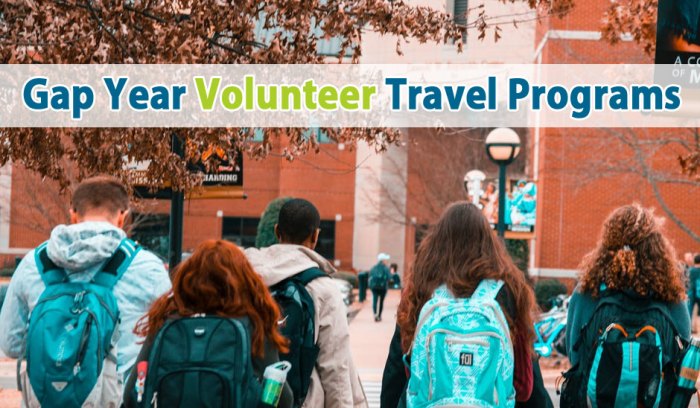
Gap year philanthropy travel offers a transformative experience, profoundly impacting both the traveler and the communities they serve. The reciprocal nature of this type of travel fosters personal growth while simultaneously contributing to positive social change. This section explores the multifaceted benefits derived from this unique form of experiential learning.
The positive impacts extend far beyond simple volunteer work. Participants gain invaluable skills, cultivate a deeper understanding of global issues, and often discover a clearer sense of purpose and direction in their lives. Simultaneously, the communities involved benefit from the direct contribution of skills and resources, fostering sustainable development and empowerment.
Personal Growth and Skill Development
Engaging in philanthropic work abroad cultivates a wide array of personal and professional skills. Travelers develop adaptability and resilience by navigating unfamiliar environments and overcoming challenges. They learn to communicate effectively across cultural boundaries, honing their interpersonal skills and empathy. Furthermore, they gain practical experience in project management, teamwork, and problem-solving, often working collaboratively with local communities on complex issues.
For example, a student volunteering at a rural school in Nepal might learn to adapt teaching methods to suit diverse learning styles, manage classroom dynamics, and work effectively within a limited resource environment. This experience would enhance their communication, problem-solving, and adaptability skills significantly. Such experiences are highly valued by future employers.
Long-Term Benefits and Career Paths
The skills and experiences gained during a gap year philanthropy trip can significantly influence long-term career paths. Many individuals find that their gap year experience solidifies their career aspirations, leading them to pursue fields such as international development, public health, education, or environmental conservation. The practical experience gained provides a significant advantage when applying for jobs or further education in these fields.
For instance, a student who volunteered with an environmental organization in Costa Rica might find their experience highly valuable when applying for a Masters program in Environmental Science or a position with a conservation NGO. The demonstrated commitment and practical skills gained are highly sought after by employers and universities.
Impact on the Community
The positive impact on the communities served is equally significant. Gap year volunteers contribute directly to local projects, providing much-needed support and resources. This can range from teaching English in under-resourced schools to assisting with healthcare initiatives or environmental conservation projects. The impact extends beyond the immediate contribution; volunteers often bring new perspectives, innovative ideas, and valuable skills to the community.
For example, a group of volunteers might introduce a new sustainable farming technique, improving crop yields and food security for a local village. This long-term impact contributes to the sustainable development and empowerment of the community.
Sustainable and Responsible Travel Practices
Embarking on a gap year philanthropy trip presents a unique opportunity to make a positive impact, not only on the communities you serve but also on the environment. Sustainable and responsible travel is paramount, ensuring your actions minimize negative consequences and maximize the long-term benefits of your experience. By prioritizing eco-conscious choices and culturally sensitive interactions, you can leave a legacy of positive change that extends beyond your immediate project.Sustainable and responsible travel during a gap year philanthropy trip requires a conscious effort to minimize your environmental footprint and respect the local cultures you encounter.
This involves careful planning, mindful choices, and a commitment to ethical tourism practices. It’s about understanding the interconnectedness of your actions and their impact on the environment and the people you’re aiming to help.
Eco-Friendly Travel Choices
Reducing your carbon footprint is crucial. Consider offsetting your air travel emissions through reputable carbon offsetting programs that invest in verified environmental projects. Prioritize using public transportation whenever possible, opting for trains or buses over planes for shorter distances. Within your destination, walking or cycling are excellent ways to explore and reduce your reliance on vehicles. Choosing accommodation with sustainable practices, such as eco-lodges or homestays that prioritize energy efficiency and waste reduction, also significantly contributes to minimizing your environmental impact.
For example, opting for a locally owned eco-lodge in Costa Rica, which utilizes solar power and recycles waste, significantly reduces your carbon footprint compared to staying in a large, energy-intensive hotel.
Minimizing Environmental Impact
Beyond transportation and accommodation, daily choices significantly influence your environmental impact. Carrying a reusable water bottle eliminates the need for single-use plastic bottles, while bringing your own reusable shopping bag reduces plastic waste. Support local businesses that prioritize sustainable practices, choosing products made from recycled materials or sourced locally. Respect wildlife and natural habitats, avoiding activities that could harm them.
For instance, instead of participating in activities that exploit animals, such as elephant rides, choose ethical alternatives like observing them in their natural habitat from a safe distance. Remember to always properly dispose of your waste, leaving no trace behind. This includes ensuring all trash is disposed of responsibly, even in areas with limited waste management systems.
Cultural Sensitivity and Respectful Interactions
Respectful interactions with local communities are integral to responsible travel. Learn basic phrases in the local language to show your willingness to engage. Dress modestly and respectfully, adhering to local customs and traditions. Obtain permission before taking photographs of individuals, particularly in sensitive situations. Engage in meaningful interactions, actively listening to and learning from the people you meet, rather than viewing them as mere subjects of your trip.
Supporting local businesses and artisans directly benefits the community and contributes to the preservation of their cultural heritage. For example, purchasing handicrafts directly from local artisans instead of from large tourist shops ensures that the economic benefits reach the community directly, promoting sustainable development.
Finding and Choosing the Right Philanthropic Opportunity
Choosing the right philanthropic organization for your gap year is crucial for a meaningful and impactful experience. Thorough research and careful consideration of several factors will ensure your time and efforts contribute effectively to a cause you believe in. This process involves evaluating the organization’s reputation, understanding their projects, and assessing the support they offer volunteers.
Researching Reputable Organizations
Identifying reputable organizations requires a multi-faceted approach. Begin by exploring established databases of non-profits, such as GuideStar or Charity Navigator (in the US), or similar organizations in your country of interest. These resources often provide ratings and financial information, offering insights into an organization’s transparency and effectiveness. Furthermore, seek out reviews and testimonials from past volunteers on platforms like VolunteerMatch or Idealist.
Look for consistent positive feedback regarding project management, support provided, and the overall volunteer experience. Finally, directly contacting the organizations to ask questions about their programs and volunteer roles is essential in determining their suitability for your goals.
Comparing Organizations Based on Mission, Project Focus, and Volunteer Support
Once you’ve compiled a list of potential organizations, compare them across key criteria. Examine their mission statements carefully to ensure alignment with your personal values and interests. Consider the specific projects they undertake; do they focus on education, healthcare, environmental conservation, or community development? Select a project that genuinely resonates with your skills and passions. Crucially, investigate the level of support provided to volunteers.
This includes pre-departure orientation, on-site supervision, ongoing communication, and access to resources and training. A well-structured program will provide adequate guidance and support throughout your experience. For example, one organization might offer comprehensive training and mentorship, while another may have a more independent approach.
Application Process and Selection Criteria
The application process and selection criteria vary significantly between organizations. Some may require a simple online application form, while others may involve a more rigorous process including essays, interviews, and references. Common requirements include a resume or CV highlighting relevant skills and experience, a personal statement expressing your motivations and suitability for the project, and sometimes, letters of recommendation.
Review the application requirements carefully and ensure you meet all deadlines. Understand that selection criteria may include factors like relevant experience, commitment level, language proficiency, and adaptability. Some organizations might prioritize applicants with specific skills, while others might emphasize a demonstrated commitment to the organization’s mission.
Ultimately, a gap year dedicated to philanthropy and travel is an investment in oneself and the world. It’s a chance to challenge preconceived notions, cultivate empathy, and contribute to positive change. By carefully planning and engaging responsibly, individuals can embark on a transformative journey that leaves a lasting legacy—both personally and globally. The experiences gained, the skills developed, and the connections forged will shape future endeavors and contribute to a more compassionate and interconnected world.
The rewards extend far beyond the trip itself, creating a ripple effect of positive change that continues long after the journey ends.
General Inquiries
How much does a gap year philanthropy trip typically cost?
Costs vary greatly depending on the destination, project type, and length of stay. Expect a range from several thousand to tens of thousands of dollars, including flights, accommodation, visa fees, and program costs.
What if I don’t have any prior experience in volunteer work?
Many organizations welcome first-time volunteers. They provide training and support to ensure participants are prepared for their roles. Highlighting your enthusiasm and willingness to learn is often more important than prior experience.
Are there any age restrictions for gap year philanthropy programs?
Age requirements vary by organization and program. Most programs cater to individuals aged 18-25, but some may accept younger or older participants depending on the specific project.
How do I ensure the organization I choose is reputable?
Thoroughly research the organization’s mission, impact reports, financial transparency, and reviews from past volunteers. Look for organizations affiliated with reputable accreditation bodies.