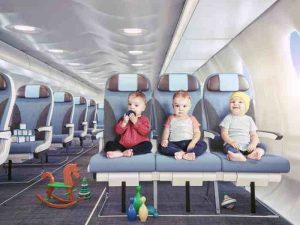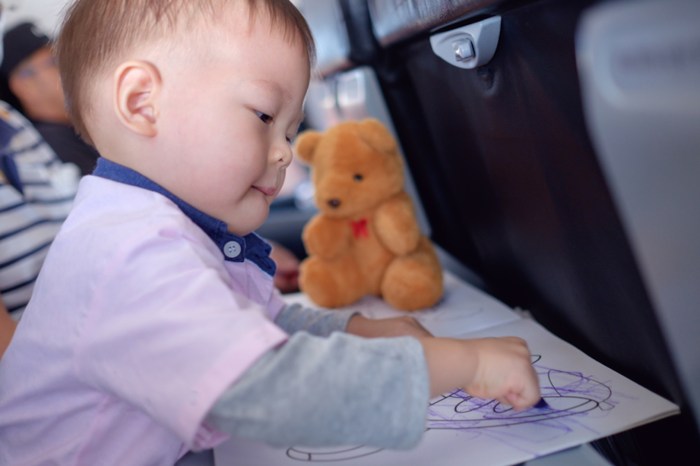
Preparing toddlers for travel requires meticulous planning and a proactive approach. This isn’t just about packing bags; it’s about anticipating needs, mitigating potential problems, and creating a positive travel experience for both parent and child. From crafting detailed itineraries that accommodate nap times and feeding schedules to mastering the art of managing meltdowns, this guide provides essential strategies for stress-free family travel with your little one.
We’ll cover everything from packing essentials and in-flight entertainment to ensuring your toddler’s safety and health throughout your journey.
Pre-Trip Preparations for Toddlers
Preparing for a trip with a toddler requires meticulous planning to ensure a smooth and enjoyable experience for both the child and the accompanying adults. Thorough preparation minimizes stress and maximizes the chances of creating positive travel memories. This section Artikels essential steps to take before embarking on your journey.
Toddler Travel Packing List, Preparing toddlers for travel
A well-organized packing list is crucial for stress-free travel. Categorizing items by necessity and convenience helps streamline the packing process and ensures you have everything you need readily available.
- Essentials: Diapers (more than you think you’ll need!), wipes, diaper rash cream, change of clothes (multiple sets!), bibs, burp cloths, baby carrier or stroller (depending on mode of transport), pacifiers (if used), favorite blanket or toy for comfort.
- Feeding Supplies: Bottles (if applicable), formula or breast milk (in appropriate containers), sippy cups, snacks (familiar and non-messy options), utensils, small plates and bowls.
- Toiletries: Travel-sized shampoo, conditioner, body wash, lotion (hypoallergenic options recommended), sunscreen (high SPF), insect repellent (DEET-free for toddlers), toothbrush and toothpaste (travel-sized), diaper rash cream.
- Entertainment: Books, small toys (quiet and engaging), crayons and coloring book, tablet loaded with age-appropriate apps and shows (consider downloading content beforehand to avoid reliance on internet access), stuffed animals.
- Convenience Items: Portable changing pad, hand sanitizer, plastic bags for soiled clothes, wet wipes, baby wipes warmer (if desired), small first-aid kit (including thermometer and any necessary medications).
Sample Toddler Travel Itinerary (3-Day Road Trip)
This itinerary is a suggestion and can be adjusted to suit your toddler’s specific needs and your travel plans. Flexibility is key!
| Day | Time | Activity |
|---|---|---|
| Day 1 | 7:00 AM | Wake up, breakfast |
| 8:00 AM | Depart for destination (allow for frequent stops) | |
| 10:00 AM | Playtime/Snack break | |
| 12:00 PM | Lunch | |
| 1:00 PM | Naptime | |
| 3:00 PM | Continue driving, incorporating short stops | |
| 6:00 PM | Dinner | |
| 7:00 PM | Bedtime | |
| Day 2 | 7:00 AM | Wake up, breakfast |
| 8:00 AM | Explore destination (age-appropriate activities) | |
| 10:00 AM | Snack break | |
| 11:00 AM | Naptime | |
| 1:00 PM | Lunch | |
| 2:00 PM | Free playtime/explore | |
| 6:00 PM | Dinner | |
| 7:00 PM | Bedtime | |
| Day 3 | 7:00 AM | Wake up, breakfast |
| 8:00 AM | Pack up, depart for home | |
| 10:00 AM | Playtime/Snack break | |
| 12:00 PM | Lunch | |
| 1:00 PM | Naptime (if needed) | |
| 3:00 PM | Arrive home |
Managing Toddler Meltdowns During Travel
Toddler meltdowns are a common occurrence, especially during travel. Proactive strategies can significantly reduce their frequency and severity.
- Preventative Measures: Maintain a consistent routine as much as possible, including nap times and meal schedules. Pack familiar comfort items. Plan for frequent breaks to avoid overstimulation. Offer plenty of opportunities for physical activity.
- Responding to Meltdowns: Remain calm and patient. Acknowledge the toddler’s feelings. Offer comfort and distraction. If possible, find a quiet space for the toddler to calm down. Positive reinforcement can be helpful once the meltdown subsides.
- Strategies: Prepare a “calm down” kit with favorite toys or books. Offer choices to give the toddler a sense of control. Engage in simple games or songs to redirect attention. Remember that patience and understanding are key.
In-Flight/Travel Entertainment and Activities
Keeping toddlers entertained during travel, especially on long flights, is crucial for a smooth journey for both the child and the accompanying adults. A well-planned approach to in-flight entertainment can transform a potentially stressful experience into a fun adventure. The key is to offer a variety of age-appropriate activities that cater to different moods and attention spans.
Age-Appropriate Travel Games and Activities for Toddlers
A diverse range of activities is essential to keep a toddler engaged throughout a journey. This includes quiet, independent play and interactive games requiring parental participation. The goal is to provide options that cater to varying energy levels and attention spans.
- Quiet Activities: Sticker books, small coloring books with crayons, magnetic drawing boards, and quiet storybooks with engaging illustrations are excellent choices for independent play. These activities minimize disruptions to fellow passengers.
- Interactive Games: Simple card games like Go Fish (with large, easy-to-handle cards), I Spy, or a variation of Twenty Questions adapted for toddlers are excellent interactive options. Singing songs, telling stories, or playing peek-a-boo are also great ways to engage a toddler and keep them entertained.
- Sensory Activities: A small, lightweight sensory bag containing safe, textured objects can provide tactile stimulation and quiet entertainment. A bag filled with uncooked rice or beans, along with small, safe toys, is an example of a suitable sensory activity. Ensure all items are securely sealed to prevent spillage.
Creating a Personalized Travel Activity Book
A personalized travel activity book offers a unique and engaging way to entertain a toddler during travel. It provides a sense of familiarity and control, helping to reduce anxiety. Creating this book is a simple yet effective way to prepare for a journey.Creating a personalized activity book involves selecting and compiling a variety of age-appropriate activities into a single book.
Start by gathering materials such as construction paper, crayons, markers, stickers, and simple puzzles. You can include:
- Coloring Pages: Simple drawings of familiar objects, animals, or characters are ideal. Consider incorporating themes related to the travel destination to enhance engagement.
- Simple Puzzles: Large-piece jigsaw puzzles or simple matching games are great for developing problem-solving skills. Ensure the pieces are large enough to prevent choking hazards.
- Interactive Games: Include simple mazes, dot-to-dot activities, or “find the object” games using pictures. These activities stimulate cognitive development and encourage interaction.
- Stickers: Sticker pages allow for creative expression and are easy for toddlers to use independently. Choose stickers with bright colors and familiar images.
Bind the pages together using a simple spiral binding or hole punch and string. The final product should be lightweight, durable, and easily manageable for a toddler.
Managing Screen Time During Travel
While screen time can be a valuable tool for keeping toddlers entertained during travel, it’s crucial to balance it with other activities to prevent over-reliance and promote healthy development. The use of screens should be planned and limited.
It’s recommended to limit screen time to short bursts, interspersed with other activities. Download educational apps or shows beforehand to avoid relying on unreliable in-flight Wi-Fi. Consider using headphones to minimize disruption to others. For example, a 30-minute screen time session could be followed by 30 minutes of interactive play or quiet activities.
Toddler Travel Health and Safety
Traveling with toddlers requires meticulous planning to ensure their well-being and safety. This section focuses on crucial aspects of health and safety preparedness, covering essential first-aid supplies, proper child restraint usage, and safety measures for various travel modes. Prioritizing these elements contributes significantly to a smoother and safer travel experience for both the toddler and their caregivers.
Essential First-Aid Kit Items for Toddlers
A well-stocked first-aid kit is indispensable when traveling with a toddler. The contents should address common travel-related ailments and minor injuries. The following table Artikels essential items, their quantities, and intended uses.
| Item | Quantity | Use | Notes |
|---|---|---|---|
| Antiseptic wipes | 20 | Clean minor cuts and scrapes | Alcohol-free is preferable for sensitive skin. |
| Band-aids (assorted sizes) | 10-15 | Cover minor wounds | Include waterproof options. |
| Pain reliever (infant acetaminophen or ibuprofen – check age appropriateness) | 1 bottle | Reduce fever and pain | Follow dosage instructions carefully. Consult your pediatrician for specific recommendations. |
| Antihistamine (oral) | 1 pack | Treat allergic reactions | Consult your pediatrician before administering to your child. |
| Hydrocortisone cream | 1 tube | Soothe insect bites and rashes | Apply a thin layer to affected areas. |
| Thermometer (digital) | 1 | Monitor temperature | Easy to read and use. |
| Tweezers | 1 pair | Remove splinters or ticks | Handle with care to avoid further injury. |
| Small scissors | 1 pair | Cut bandages or clothing | Keep away from the child’s reach. |
| Gauze pads | 5-10 | Cover larger wounds | Choose sterile, individually wrapped pads. |
| Motion sickness medication (if needed) | As prescribed by doctor | Alleviate symptoms of motion sickness | Only use as directed by a doctor. |
Child Car Seats and Booster Seats
Proper use of child car seats and booster seats is paramount for a toddler’s safety during car travel. These devices significantly reduce the risk of injury or death in the event of an accident. Car seats must be installed correctly according to the manufacturer’s instructions and relevant safety standards. Ensure the harness fits snugly and the seat is secured firmly to the vehicle’s seat.
Booster seats are used once the child outgrows their car seat, providing additional height to allow the vehicle’s seatbelt to fit correctly. Regularly inspect the car seat or booster seat for any damage or wear and tear.
Toddler Safety in Various Travel Modes
Maintaining toddler safety extends beyond car travel and encompasses other modes of transportation.
Car Travel Safety
Beyond proper car seat installation, ensure all car windows are closed and locked, especially during transit. Keep valuable items out of reach, and store bags securely to prevent them from becoming projectiles in case of an accident.
Air Travel Safety
During air travel, keep the toddler securely fastened in their approved car seat or aircraft seat. Keep small items out of reach to prevent choking hazards. Familiarize yourself with the safety procedures on the aircraft and know the location of emergency exits. Be mindful of potential hazards like sharp edges and overhead bins.
Train Travel Safety
On trains, keep the toddler under constant supervision, particularly near open doors or windows. Be aware of potential trip hazards within the train car and keep the toddler away from tracks and platforms. Avoid allowing them to wander unattended.
Feeding and Nutrition on the Go
Maintaining a toddler’s nutritional needs while traveling can be challenging, but with careful planning and preparation, it’s entirely manageable. A balanced diet is crucial for their energy levels, immune system, and overall well-being, especially during the stress of travel. This section offers guidance on planning meals, packing food safely, and managing picky eating habits during your trip.
Sample Toddler Meal Plan (5-Day Trip)
This sample meal plan provides a balanced variety of foods, catering to a toddler’s nutritional requirements. Remember to adjust portion sizes based on your child’s individual needs and appetite. Always offer water throughout the day.
- Day 1: Breakfast: Oatmeal with berries and a sprinkle of nuts. Lunch: Chicken nuggets (homemade or store-bought), steamed carrots, and whole-wheat crackers. Snack: Apple slices with peanut butter (if no allergies). Dinner: Pasta with tomato sauce and meatballs (ensure meatballs are small and soft). Snack: Plain yogurt.
- Day 2: Breakfast: Scrambled eggs with whole-wheat toast. Lunch: Hummus and veggie wraps. Snack: Banana. Dinner: Chicken and vegetable stir-fry with brown rice. Snack: Small cheese cubes.
- Day 3: Breakfast: Pancakes (whole wheat) with fruit. Lunch: Leftover chicken and vegetable stir-fry. Snack: Raisins (in moderation). Dinner: Lentil soup with whole-wheat bread. Snack: Cottage cheese.
- Day 4: Breakfast: Yogurt with granola and berries. Lunch: Mini turkey and cheese sandwiches on whole-wheat bread. Snack: Baby carrots and cucumber sticks. Dinner: Salmon with roasted sweet potatoes and green beans. Snack: Fruit puree pouch.
- Day 5: Breakfast: Whole-wheat waffles with syrup and fruit. Lunch: Leftover salmon and roasted vegetables. Snack: Rice cakes with avocado. Dinner: Macaroni and cheese (whole wheat pasta). Snack: Small pieces of cooked chicken.
Preparing and Packing Toddler Food for Travel
Proper food preparation and packing are vital for maintaining food safety and hygiene. Prioritize foods that are easy to pack, require minimal preparation, and are less susceptible to spoilage.
- Pre-trip preparation: Cook meals and snacks in advance. Portion them into individual containers or reusable pouches. Label each container with the contents and date.
- Packing techniques: Use insulated bags or coolers with ice packs to keep perishable foods cold. Pack non-perishable items separately. Consider using reusable silicone food pouches for easy cleanup and portability.
- Food safety: Wash hands thoroughly before handling food. Choose foods that are less likely to spoil quickly, such as pre-cooked meats, fruits, and vegetables that don’t require refrigeration. Avoid leaving perishable foods at room temperature for extended periods.
- Hygiene: Pack sanitizing wipes to clean surfaces before mealtimes. Bring disposable utensils and plates if possible.
Managing Picky Eating While Traveling
Toddlers can be notoriously picky eaters, and travel can exacerbate this tendency. Flexibility and creativity are key to ensuring your toddler consumes nutritious food while on the go.
- Offer variety: Pack a diverse range of foods, even if your toddler only chooses a few. Repeatedly offering new foods can gradually increase acceptance.
- Involve your toddler: Let your toddler help pack snacks or choose from a selection of healthy options. This increases their sense of ownership and willingness to try new things.
- Be patient and understanding: Don’t force your toddler to eat. Offer small portions and avoid power struggles. Focus on offering nutritious choices, even if your toddler doesn’t eat everything.
- Embrace convenience: Pre-packaged pouches of fruit or vegetable purees, or easily-eaten snacks like crackers, can be lifesavers during travel. Don’t be afraid to rely on these options when needed.
Accommodation Considerations for Toddlers
Choosing the right accommodation is crucial for a smooth and enjoyable family trip with a toddler. The type of lodging you select significantly impacts your comfort, convenience, and overall travel experience. Careful consideration of space, amenities, and safety features will contribute to a more relaxing vacation for both you and your little one.
Comparison of Family-Friendly Accommodation Options
The choice between hotels and vacation rentals often presents a dilemma for families traveling with toddlers. Both offer unique advantages and disadvantages, and the best option depends on your family’s specific needs and preferences. The following table summarizes key differences:
| Feature | Hotels | Vacation Rentals |
|---|---|---|
| Space | Generally smaller rooms, limited space for playing or spreading out. May require connecting rooms for larger families. | Often larger, providing more space for toddlers to play and move around. May include multiple bedrooms and living areas. |
| Amenities | Offer convenient amenities like housekeeping, on-site restaurants, and pools, but may lack kitchen facilities. | Typically include full kitchens, laundry facilities, and often more living space, but may lack hotel services like daily housekeeping. |
| Cost | Can be more expensive, especially for larger families requiring multiple rooms. | Can be more cost-effective for larger families, particularly for longer stays, but initial rental fees can be significant. |
| Flexibility | Less flexibility in terms of meal preparation and routines. | Offers greater flexibility with mealtimes and schedules, allowing for a more personalized experience. |
Ideal Features of a Toddler-Friendly Hotel Room
An ideal toddler-friendly hotel room prioritizes safety and convenience. Key features include a crib or toddler bed, a spacious room to allow for a play area, and safety gates for doorways leading to balconies or stairs. The presence of a microwave and mini-refrigerator is also beneficial for warming baby food or storing milk. A bathtub or shower with non-slip surfaces enhances safety during bath time.
Ideally, the room should be located away from elevators and noisy areas for a more peaceful environment.
Essential Items to Request from Accommodation Providers
Before your trip, contact your hotel or vacation rental to request essential items that will make your stay more toddler-friendly. This proactive approach can significantly improve your experience. These requests might include:
- A crib or toddler bed (confirming the dimensions to ensure a proper fit for your child).
- A high chair for mealtimes.
- A baby bathtub or a non-slip mat for the existing bathtub.
- Plastic plates, cups, and cutlery to prevent breakage.
- A microwave oven for heating baby food or milk.
Exploring Different Travel Modes
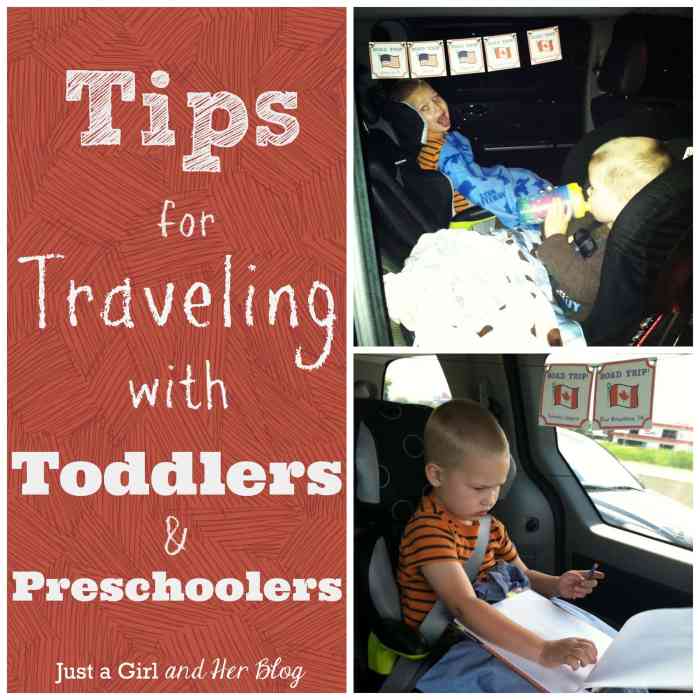
Choosing the right mode of transportation for a family trip with a toddler significantly impacts the overall experience. Factors like travel time, cost, comfort, and safety must be carefully considered to ensure a smooth and enjoyable journey for both parents and child. This section will explore the advantages and disadvantages of various travel options, offering practical tips for each.
Air Travel with Toddlers
Air travel offers speed and efficiency, especially for long distances. However, it can be stressful for toddlers due to confined spaces and potential disruptions to their routine. Preparing for air travel with a toddler requires meticulous planning. Packing lightweight, easily accessible essentials, such as favorite toys, snacks, and changes of clothes, is crucial. Consider bringing a familiar blanket or stuffed animal for comfort.
Booking a direct flight minimizes disruptions and reduces the chances of delays. Pre-boarding privileges can also alleviate some stress by allowing you to settle in before other passengers. During the flight, engaging the toddler with age-appropriate activities, offering regular snacks and drinks, and getting up to walk around when possible will help manage restlessness. Remember to bring any necessary medications and familiarize yourself with airline policies regarding infant and toddler needs.
Train Travel with Toddlers
Train travel offers a more relaxed atmosphere compared to air travel. The ability to move around freely, stretch out, and even walk the aisle can be beneficial for toddlers. However, train journeys can be lengthy, requiring more extensive planning for entertainment and sustenance. Packing a variety of toys, books, and snacks is essential. Consider bringing a portable changing mat and wet wipes for unexpected messes.
Window seats can be engaging for toddlers, allowing them to watch the scenery. Pre-booking seats near restrooms or family areas is also recommended for convenience. Train travel also presents opportunities for planned stops, allowing for stretching your legs and letting your toddler explore a new environment. This can break up the monotony of a long journey.
Road Trips with Toddlers
Road trips offer flexibility and the opportunity to explore at your own pace. However, they can be challenging due to the extended travel time and potential for car sickness. Planning frequent stops for diaper changes, feeding, and playtime is essential. Packing a well-stocked car kit with snacks, drinks, toys, books, and entertainment options is crucial. Consider using car seat organizers to keep essentials within easy reach.
Engaging in car games, singing songs, and listening to audiobooks can help keep toddlers entertained. Regular breaks for stretching and physical activity are also recommended to prevent restlessness and potential car sickness. Planning your route to include stops at kid-friendly attractions or rest areas can further enhance the experience. Remember to bring a first-aid kit and familiarize yourself with local emergency services.
Cruises with Toddlers
Cruises offer a wide array of onboard activities and amenities designed for families with young children. Many cruise lines offer kids’ clubs, supervised play areas, and age-appropriate entertainment. The variety of activities and the opportunity to explore different destinations can be appealing to toddlers. However, the confined environment of a cruise ship can be overwhelming for some toddlers.
Booking a cabin with a balcony or additional space can provide a more comfortable experience. Pack plenty of swimwear, sunscreen, and hats for enjoying the ship’s pools and outdoor spaces. Familiarizing yourself with the ship’s layout and childcare options before departure will ease the transition. The structured activities and diverse options can make a cruise a less stressful travel experience for toddlers compared to other modes of transportation.
Flight Deals and Hacks, Train Travel Guides, Cruise Ship Reviews, Road Trip Guides, Budget Accommodation Tips, Vacation Rentals and Airbnb, Hotel Reviews and Tips, RV and Camper Travel, Unique Stays and Treehouses, Houseboat and Yacht Stays: Preparing Toddlers For Travel
Planning a family vacation with a toddler requires careful consideration of various factors, especially when it comes to transportation and accommodation. This section provides practical guidance on finding affordable travel options and suitable lodging for your family.
Finding Affordable Flights
Securing affordable flights requires strategic planning and the use of various tools. Flight comparison websites, such as Google Flights, Skyscanner, and Kayak, allow you to compare prices across multiple airlines simultaneously. Consider flexible travel dates; flying mid-week or during the off-season often yields lower fares. Setting up price alerts can notify you of fare drops. Booking flights well in advance or at the last minute (sometimes airlines release discounted seats close to departure) can also prove beneficial.
Consider budget airlines, but carefully review baggage fees and other potential added costs. For example, a family of four could save hundreds of dollars by flying mid-week in the shoulder season compared to peak travel times.
Planning a Train Journey with a Toddler
Train travel offers a more relaxed alternative to flying, particularly with young children. Choose direct routes to minimize transfers and disruptions. Select trains with family-friendly amenities, such as spacious seating or dedicated family carriages. Pack plenty of engaging activities to keep your toddler occupied during the journey. Consider booking a sleeper car for overnight trips to ensure a more comfortable experience.
For instance, Amtrak in the US offers family bedrooms on some routes, while Eurostar provides dedicated family seating areas. Planning activities like coloring books, story time, and small toys will help to engage your toddler.
Family-Friendly Cruise Ship Review: Royal Caribbean’s Oasis Class Ships
Royal Caribbean’s Oasis-class ships (e.g., Oasis of the Seas, Allure of the Seas) offer extensive amenities geared towards families. Toddler-friendly features include splash pads, dedicated kids’ clubs with age-appropriate activities, and character meet-and-greets. The abundance of dining options ensures there’s something for every palate, including options for picky eaters. The sheer size of the ship provides ample space for exploration and the various shows and activities cater to all ages.
However, the cost can be a significant factor.
Road Trip Tips for Traveling with a Toddler
Planning a road trip with a toddler requires meticulous preparation. Choose a route with frequent stops to avoid prolonged periods of confinement. Plan for regular breaks for diaper changes, feeding, and playtime. Pack snacks, drinks, and entertainment to keep your toddler happy and occupied. Consider utilizing audiobooks or children’s music to provide entertainment.
For example, a road trip from New York to Boston could include planned stops at playgrounds or children’s museums along the way.
Budget-Friendly Accommodation Options
Finding affordable accommodation is crucial for budget-conscious families. Consider hostels with family rooms (some offer private rooms), budget hotels outside of city centers, or vacation rentals through platforms like Airbnb. Look for deals and discounts offered by hotels and booking websites. Camping or staying in cabins can be surprisingly affordable options, especially in areas with abundant natural beauty.
For instance, a family could save significantly by opting for a budget-friendly motel compared to a luxury hotel.
Vacation Rentals and Airbnb: Pros and Cons
Vacation rentals offer more space and amenities than hotels, often including kitchens, laundry facilities, and extra bedrooms – ideal for families with toddlers. However, they might lack the services provided by hotels, such as daily housekeeping or on-site restaurants. Airbnb provides a wide range of options, but it’s essential to thoroughly review reviews and verify the property’s suitability for toddlers.
For example, a private house rental can offer a familiar environment for your child but might require more self-sufficiency from parents.
Family-Friendly Hotel Reviews: Hyatt Regency Hotels
Many Hyatt Regency hotels offer family-friendly amenities such as cribs, high chairs, and connecting rooms. Some locations have kids’ clubs, pools, and playgrounds. The consistency of the Hyatt brand ensures a certain standard of quality and service. However, the price point is generally higher than budget hotels. For example, many Hyatt Regency locations offer babysitting services and kids’ menus.
RV and Campervan Travel with a Toddler
RV travel offers flexibility and the freedom to explore at your own pace. However, it requires careful planning and preparation. Ensure the RV is equipped with necessary child safety features. Pack appropriately for various weather conditions. Plan campsites in advance, particularly during peak seasons.
Remember to factor in the time and effort needed for setting up and breaking down camp. For example, a well-planned itinerary including designated rest stops and age-appropriate activities will make the trip more enjoyable.
Unique Accommodation Options: Treehouses and Houseboats
Treehouses offer a unique and memorable experience for families. They provide a sense of adventure and connection with nature. However, accessibility and safety features need careful consideration. Houseboats offer a different kind of adventure, allowing families to explore waterways and enjoy a unique perspective. However, they may require more effort in terms of navigation and maintenance.
For example, a family could find a treehouse rental that is easily accessible and provides adequate safety measures.
Houseboat and Yacht Stays with a Toddler
Staying on a houseboat or yacht offers a unique vacation experience, but requires careful consideration of safety and convenience. The confined space can be challenging for toddlers, and appropriate safety measures are crucial. The lack of amenities found in hotels or resorts needs to be accounted for. For example, having life vests readily available and clearly defined safety rules is paramount when staying on a houseboat or yacht with a toddler.
Traveling with toddlers can be a rewarding experience, filled with unforgettable family moments. By implementing the strategies and tips Artikeld in this guide, parents can transform potential travel anxieties into exciting adventures. Remember, thorough preparation is key to a smooth journey, allowing you to focus on enjoying quality time with your child and creating lasting memories. Embrace the journey, and happy travels!
Frequently Asked Questions
What are some good ways to prevent motion sickness in toddlers?
Keep your toddler well-hydrated, avoid strong smells, and consider using motion sickness medication as directed by a pediatrician. Choose a seat with good visibility if traveling by car or plane.
How can I keep my toddler entertained on a long flight without relying heavily on screens?
Pack a variety of engaging activities like sticker books, small toys, coloring books, and age-appropriate books. Interactive games, singing songs, and telling stories can also help.
What should I do if my toddler has a meltdown during travel?
Remain calm, find a quiet space if possible, offer comfort and reassurance, and address the underlying cause of the meltdown. Having a favorite comfort item or snack can help.
What are some essential items to pack for a toddler’s diaper bag?
Diapers, wipes, diaper rash cream, change of clothes, hand sanitizer, small snacks, and a sippy cup are essential. Include a few small toys for distraction.