Tips for long flights with toddlers: Navigating the skies with a little one can feel daunting, but with the right preparation and strategies, a long flight can be surprisingly smooth. This guide provides practical advice and helpful hints to transform a potentially stressful journey into a manageable, even enjoyable, experience for both parent and child. We’ll cover everything from pre-flight packing checklists to in-flight entertainment and behavior management techniques, ensuring you’re well-equipped for takeoff.
From creating engaging activities to mastering the art of in-flight mealtimes and managing sleep schedules, we offer comprehensive solutions to common challenges faced by parents traveling with toddlers. We’ll also explore ways to alleviate the effects of cabin pressure and jet lag, setting the stage for a smoother post-flight recovery. This guide aims to empower parents with the knowledge and confidence needed to tackle long-haul travel with their little ones.
Pre-Flight Preparation for Toddlers
Preparing for a long flight with a toddler requires meticulous planning to ensure a smoother journey for both you and your little one. Thorough preparation minimizes stress and maximizes the chances of a more enjoyable experience. This involves packing strategically, managing potential medical needs, and familiarizing your toddler with the flying experience.
Essential Items for a Long Flight with a Toddler
A well-organized packing list is crucial. Categorizing items makes packing and unpacking easier, especially during the flight. The following table Artikels essential items, grouped for convenience.
| Essentials | Entertainment | Comfort | Food & Drink |
|---|---|---|---|
| Diapers (more than you think you’ll need!) Wipes Change of clothes (for both you and the toddler) Pacifiers (if applicable) Blankets Small, familiar toy |
Favorite books Quiet toys (stuffed animals, small cars) Tablet loaded with age-appropriate shows and games Drawing supplies (crayons, paper) Sticker books |
Favorite blanket or stuffed animal Pillow Comfortable clothes Small, lightweight travel stroller (check airline restrictions) Baby carrier (for easier movement through the airport) |
Snacks (familiar favorites, easy-to-eat options like puffs, fruit pouches) Drinks (water, juice boxes) Sippy cup Bibs Small, resealable containers for snacks |
Managing Toddler Medications and Medical Needs
Carrying a well-stocked first-aid kit is essential. This kit should include any prescription medications your toddler requires, along with over-the-counter remedies for common travel ailments like fever, upset stomach, or minor cuts and scrapes. Remember to pack these medications in their original containers with labels clearly visible. It’s advisable to carry a copy of your child’s medical records and any relevant allergy information.
For prescription medications, consider bringing a doctor’s note or prescription to avoid any issues with airport security. Furthermore, consult your pediatrician about any potential effects of altitude on your child’s medications or pre-existing conditions.
Preparing a Toddler for Flying, Tips for long flights with toddlers
Introducing the concept of flying to your toddler well in advance is key. Use age-appropriate language and visuals, like books or videos showing airplanes taking off and landing. Engage in playful activities that simulate the experience, such as pretending to pack a suitcase or role-playing a flight scenario with stuffed animals. Consider a trial run of sitting in a car seat for extended periods to help your toddler get used to being confined.
For older toddlers, you can explain the journey in simple terms, emphasizing the exciting parts like seeing clouds and arriving at the destination. A familiar comfort item, such as a favorite blanket or toy, can also help reduce anxiety during the flight.
In-Flight Entertainment and Activities: Tips For Long Flights With Toddlers
Keeping toddlers entertained on a long flight requires careful planning and a diverse range of activities. Boredom can quickly escalate into distress for both the child and their caregivers, so proactive engagement is key. The goal is to create a stimulating yet manageable environment that caters to a toddler’s short attention span and fluctuating energy levels. A well-prepared parent is a relaxed parent, even at 30,000 feet.
A successful in-flight entertainment strategy combines screen time with a variety of engaging offline options. Balancing these approaches ensures that your toddler doesn’t get overstimulated by screens or become restless from a lack of varied activities. Remember to pack everything in easily accessible carry-on luggage to avoid any mid-flight complications.
Age-Appropriate Entertainment Options for Toddlers on Long Flights
Choosing the right entertainment is crucial. Consider your toddler’s developmental stage and interests when selecting items. Variety is key to keeping them engaged. This list offers a balanced approach to screen time and screen-free activities.
- Screen Time: Pre-loaded tablets or smartphones with age-appropriate shows, educational apps, and simple games. Consider downloading new content beforehand to avoid relying on in-flight Wi-Fi.
- Books: A selection of favorite board books, lift-the-flap books, or interactive storybooks. Choose books with bright colors and simple stories.
- Quiet Toys: Small, lightweight toys such as stacking cups, small cars, or a stuffed animal. Avoid anything with small parts that could get lost.
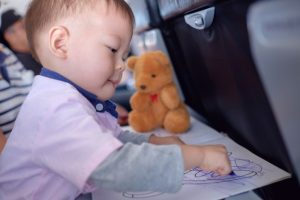
- Activity Books: A homemade or store-bought activity book filled with simple drawing prompts, mazes, stickers, or coloring pages. (Details on creating a simple activity book are below).
- Sensory Toys: Items like a textured ball, a small sensory bottle filled with colored water and glitter, or a simple finger puppet can provide tactile stimulation.
Design of a Simple, Printable Activity Book for Toddlers
A well-designed activity book can provide hours of entertainment. The key is to keep activities simple, engaging, and varied to maintain a toddler’s interest. Remember to use large, clear images and avoid overly complex instructions.
Example Activity Book Pages:
- Large Coloring Pages: Featuring simple shapes, animals, or objects. Use crayons or washable markers.
- Simple Mazes: Use thick lines and large spaces to make it easy for little fingers to follow.
- Sticker Pages: Include several pages with designated areas for placing stickers, encouraging creativity and fine motor skill development.
- Dot-to-Dot Activities: Connect the dots to reveal a simple picture, fostering number recognition and hand-eye coordination.
- Draw and Color Your Own: Provide simple prompts like “Draw a sun,” “Draw a house,” or “Draw your favorite animal,” allowing for creative expression.
Engaging Toddlers in Non-Screen Activities
Non-screen activities offer valuable opportunities for interaction and bonding. These activities help stimulate imagination and creativity while minimizing screen time.
- Interactive Games: Play simple games like “I Spy,” “Simon Says,” or “Peek-a-Boo.” Adapt the games to the flight environment.
- Storytelling: Create imaginative stories together, incorporating elements from the surroundings or the child’s favorite characters.
- Singing Songs: Sing familiar songs or nursery rhymes, encouraging participation and interaction. Action songs are especially effective.
- Finger Puppets: Use finger puppets to act out stories or create impromptu puppet shows.
- Quiet Play: Encourage quiet play with small toys, like stacking blocks or matching shapes.
Managing Toddler Behavior During the Flight
Long flights with toddlers present unique challenges, and managing their behavior is paramount for a smoother journey for everyone involved. Predictable disruptions are common, and proactive strategies are key to minimizing stress for both the child and their caregivers. Understanding your toddler’s typical behavior patterns and anticipating potential triggers will greatly assist in navigating these situations.Effective strategies for managing potential tantrums or meltdowns on a long flight involve a combination of preparation, distraction, and calm, consistent responses.
Remember that toddlers are not intentionally trying to be difficult; they’re often overwhelmed by the unfamiliar environment and the restrictions of air travel. A proactive approach, rather than a reactive one, will prove most beneficial.
Strategies for Managing Tantrums and Meltdowns
A preemptive approach is crucial. Familiar comfort items, such as a favorite blanket or stuffed animal, can provide a sense of security and reduce anxiety. Planning for regular breaks, even short ones, to walk around and stretch can help alleviate restlessness. If a meltdown occurs, try to remain calm and reassuring. Speak softly, offer a comforting touch, and validate their feelings.
Sometimes, simply acknowledging their frustration (“I know this is hard, sweetie”) can be incredibly effective. Removing the child from the immediate trigger, if possible, can also help de-escalate the situation. For instance, moving to the airplane restroom for a few minutes of quiet can provide a much-needed break. Offering a small, healthy snack or drink can also help.
However, avoid giving in to demands during a tantrum.
Calming a Crying or Distressed Toddler
A crying toddler on a plane can be stressful, but several techniques can help soothe them. Offering a pacifier, if the child uses one, can be soothing. Gentle rocking or humming can mimic the calming sensations of being held. Singing familiar songs or reading a favorite book can be distracting and comforting. If possible, try skin-to-skin contact; this can be particularly effective in reducing distress.
Remember, your calm demeanor is contagious; if you remain calm and reassuring, it will help to calm your child. If the crying persists despite your efforts, don’t hesitate to ask a flight attendant for assistance. They may have additional strategies or resources available.
Handling Challenging Behaviors
Refusal to sit still or excessive noise are common challenges. Engage your toddler in quiet activities, such as coloring books, sticker books, or interactive apps. Offer small, engaging toys that won’t be easily lost or create a mess. Prepare a small bag of surprises to unveil throughout the flight, maintaining anticipation and engagement. If your child insists on moving around, consider letting them walk up and down the aisle (with supervision, of course) during periods of less passenger activity.
If noise levels become disruptive, try to redirect their attention to a quieter activity. A gentle reminder about appropriate behavior can be effective, but avoid harsh reprimands. Remember, patience and understanding are key; air travel is challenging for everyone, especially small children.
Feeding and Comforting a Toddler In-Flight
Navigating mealtimes and comfort needs for toddlers during long flights requires careful planning and preparation. The confined space and altered environment can present unique challenges, but with a proactive approach, parents can significantly ease their child’s discomfort and maintain a more pleasant journey for everyone. This section will address practical strategies for feeding your toddler, managing their sleep, and addressing the effects of cabin pressure on their ears.
In-Flight Feeding Strategies
Successful in-flight feeding hinges on understanding your toddler’s usual eating patterns and adapting them to the flight schedule. Packing familiar foods and snacks minimizes the risk of picky eating in an unfamiliar setting. Consider the flight’s duration and meal times; you may need to adjust feeding schedules slightly to accommodate delays. Pre-packaged, non-messy options are ideal.
Managing a Toddler’s Sleep Schedule During the Flight
Creating a comfortable sleep environment is crucial for both your toddler and your own sanity. A familiar blanket or stuffed animal can provide comfort and a sense of security. If possible, book a window seat to provide a sense of privacy and reduce distractions. Consider bringing a lightweight, portable sleep sack or swaddle if your child uses one.
Dim lighting, white noise (via headphones or a small portable white noise machine), and gentle rocking (if space allows) can all aid in sleep. Adjusting your child’s sleep schedule slightly in the days leading up to the flight to align more closely with the flight’s timing can also be helpful. For example, if your flight departs at 7am, you might begin waking your toddler earlier each day in the week before to ease the transition.
Addressing Cabin Pressure Effects on a Toddler’s Ears
Changes in cabin pressure during ascent and descent can cause discomfort in a toddler’s ears. Encourage your child to drink frequently during these times; swallowing helps equalize pressure. Pacifiers can be particularly helpful for babies and young toddlers. For older toddlers, offering snacks or chewy foods can assist with pressure equalization. If your child experiences significant ear pain, you can try gently blowing into their nose while pinching it closed; this technique can help clear blocked Eustachian tubes.
However, it’s crucial to avoid forceful techniques. If your child continues to express pain, consult with a flight attendant or seek medical advice upon landing.
Post-Flight Recovery
Navigating the aftermath of a long flight with a toddler requires patience and understanding. The disruption to their routine, coupled with the potential stress of travel, can lead to fatigue and irritability. Focusing on gentle re-adjustment and providing a calming environment is key to helping your little one recover smoothly. This section offers practical strategies to ease your toddler back into their normal rhythm.Post-flight recovery involves a multi-pronged approach, addressing both the physical and emotional impact of air travel on your child.
Jet lag, sleep deprivation, and the overall sensory overload of the journey can significantly affect a toddler’s mood and behavior. By implementing a few simple techniques, you can help mitigate these effects and promote a faster and more comfortable transition back to normalcy.
Adjusting to a New Time Zone
Successfully adjusting to a new time zone after a long flight requires a gradual approach. Avoid immediately imposing a new sleep schedule. Instead, gently shift your toddler’s bedtime and wake-up time by 15-30 minutes each day. Maintain a consistent sleep-wake routine, ensuring sufficient daytime activity to encourage natural tiredness. Exposure to natural light during the day can also help regulate the body’s internal clock.
For example, if you’ve travelled east, encourage outdoor play in the morning sunlight. If you’ve traveled west, try to keep your toddler up a little longer each evening. Consistent routines, even in a new environment, provide a sense of familiarity and security.
Soothing a Toddler After a Stressful Flight
A long flight can be overwhelming for toddlers. They may exhibit clinginess, irritability, or difficulty sleeping. Prioritize comforting activities. This could include reading their favorite books, cuddling, or engaging in quiet play. A warm bath before bedtime can be particularly soothing.
White noise machines or calming music can help block out disruptive sounds and create a peaceful sleep environment. Remember, patience and understanding are paramount during this phase. Allow your toddler extra time to adjust and respond to their emotional needs with empathy.
Post-Flight Activities for Jet Lag Recovery
Engaging your toddler in gentle activities can aid in jet lag recovery. Avoid overly stimulating activities initially. Instead, opt for quiet playtime, story time, or drawing. Short walks in the fresh air can help regulate their body clock. If possible, schedule short naps throughout the day to help them catch up on sleep.
Limit screen time, which can further disrupt sleep patterns. Remember, a calm and predictable routine is crucial during this period. A consistent schedule, combined with comforting activities, will help your toddler adjust more smoothly. For example, a structured schedule might include a morning walk, quiet playtime, a light lunch, a short nap, an afternoon outing, dinner, and then bedtime.
Flight Deals and Hacks, and Related Travel Tips
Navigating the world of travel, especially with children, requires careful planning and resourcefulness. Finding affordable options is key to making family travel a reality, not a distant dream. This section explores various strategies for securing budget-friendly flights and accommodation, along with tips for saving money on other aspects of your journey.
Comparing Flight Deal Finding Methods
Several methods exist for finding affordable airfare. Flight comparison websites, such as Google Flights, Skyscanner, and Kayak, aggregate prices from various airlines and travel agencies, allowing for easy price comparison. These websites often offer flexible date search options, helping identify cheaper travel days. Loyalty programs, offered by individual airlines, provide benefits such as accumulated miles for future flights, priority boarding, and sometimes access to exclusive sales.
While loyalty programs offer long-term savings, comparison websites are ideal for finding the best immediate deals. The optimal strategy often involves using both methods; comparing prices on comparison websites and then checking if a better deal exists through your airline’s loyalty program.
Money-Saving Strategies for Train Travel
Train travel offers a relaxing alternative to flying, particularly for families. Saving money on train travel can be achieved through different strategies depending on your travel style. For budget travelers, consider off-peak travel times and booking well in advance to secure discounted fares. Luxury travelers might benefit from utilizing rail passes, especially for extensive journeys, which often offer cost savings compared to individual ticket purchases.
For families, consider utilizing group discounts or family rail passes that offer substantial reductions on fares for multiple travelers.
Royal Caribbean’s Voyager of the Seas Review
This review focuses on Royal Caribbean’s Voyager of the Seas, a popular cruise ship.
| Amenities | Dining | Activities | Service |
|---|---|---|---|
| Multiple pools, a rock-climbing wall, a mini-golf course, a spa, and various shops. Cabins range from basic inside rooms to luxurious suites. | Multiple dining options, from casual buffets to upscale restaurants. Specialty dining experiences are available at an extra cost. Room service is also available. | Live music, Broadway-style shows, themed parties, and children’s programs. Various activities are available throughout the day and evening. | Generally friendly and helpful staff. Response times can vary depending on the ship’s occupancy and staff availability. |
Sample Road Trip Itinerary: Pacific Coast Highway
This itinerary focuses on a scenic drive along California’s Pacific Coast Highway.A potential 7-day itinerary could begin in San Francisco, including stops at Monterey (exploring the Monterey Bay Aquarium), Big Sur (hiking and enjoying the breathtaking views), San Simeon (visiting Hearst Castle), Santa Barbara (relaxing on the beach and exploring the town), and concluding in Los Angeles. This itinerary can be adjusted based on personal preferences and time constraints.
Each location offers various activities and accommodation options, allowing for flexibility in planning.
Budget-Friendly Accommodation Options
Finding affordable accommodation is crucial for budget travel. Hostels offer dorm-style rooms and private rooms at lower prices than hotels. Guesthouses provide a more personal experience with often locally owned and operated accommodations. Camping, when feasible, offers the most budget-friendly option, allowing for immersive nature experiences. Couchsurfing, connecting with locals willing to host travelers, provides a unique cultural exchange opportunity at no cost.
Utilizing websites like Booking.com and Hostelworld can assist in finding deals on these types of accommodations.
Airbnb vs. VRBO Comparison
Airbnb and VRBO are popular vacation rental platforms. Airbnb boasts a wider selection of properties, ranging from private rooms to entire homes, often with unique and quirky options. VRBO focuses more on whole-home rentals, frequently offering larger properties ideal for families or groups. Airbnb’s pricing can be more variable, while VRBO tends to have more consistent pricing. Both platforms offer varying levels of customer service and property verification.
The Grand Hyatt San Francisco Review
A luxurious hotel offering stunning city views and impeccable service.
- Location: Centrally located in downtown San Francisco, offering easy access to major attractions.
- Cleanliness: Exceptionally clean and well-maintained rooms and public areas.
- Amenities: Offers a fitness center, spa, multiple restaurants, and a rooftop bar with panoramic views.
- Service: Attentive and professional staff, providing excellent customer service.
RV and Camper Travel vs. Hotels
RV and camper travel offer greater flexibility and freedom compared to hotel stays, allowing for spontaneous exploration and a closer connection to nature. However, they require more planning and preparation, including securing campsites and managing maintenance. Hotel stays offer more convenience and predictable amenities, but lack the same level of flexibility and immersive experience. The choice depends on individual preferences and travel style.
Finding and Booking Unique Accommodations: Treehouses
Websites like Airbnb and Glamping Hub specialize in unique accommodations, including treehouses. Considerations include accessibility, safety features, and amenities. It’s essential to thoroughly review property details and guest reviews before booking. Location and proximity to attractions should also be carefully considered.
Houseboat and Yacht Stays
Staying on a houseboat or yacht offers a unique and luxurious experience, but comes at a higher cost. Amenities vary greatly depending on the vessel, ranging from basic to lavish. Activities can include fishing, swimming, and exploring waterways. The cost depends on the size, location, and amenities of the boat, and may include additional charges for fuel and cleaning.
Successfully navigating a long flight with a toddler is achievable with careful planning and a proactive approach. By implementing the strategies and tips Artikeld in this guide, parents can significantly reduce stress and enhance the overall travel experience. Remember, preparation is key, and embracing flexibility is crucial. With the right tools and mindset, you can create a positive and memorable journey, even at 30,000 feet.
Bon voyage!
FAQ Overview
What are some good ways to prevent ear pain during takeoff and landing?
Encourage your toddler to drink from a bottle or sippy cup, or to suck on a pacifier during ascent and descent. This helps equalize pressure in their ears.
How can I minimize the impact of jet lag on my toddler?
Try to adjust your toddler’s sleep schedule gradually in the days leading up to the flight. Upon arrival, maintain a consistent sleep and wake routine, exposing them to natural light to help regulate their circadian rhythm.
What if my toddler refuses to eat on the plane?
Pack a variety of familiar and appealing snacks. Don’t force them to eat, but offer options throughout the flight. A small, familiar comfort item can sometimes help.
What should I do if my toddler has a meltdown on the plane?
Remain calm and try to soothe your toddler. Offer comfort items, distractions, and perhaps a quiet space if possible. Addressing the underlying cause (hunger, tiredness, etc.) is key.